Skip to content
all board
game.
Home
Browse guides
About
Find a guide
↗
All guides
Game mechanics
Understand what a mechanism asks you to notice, choose and plan.
21
guides
Game mechanics
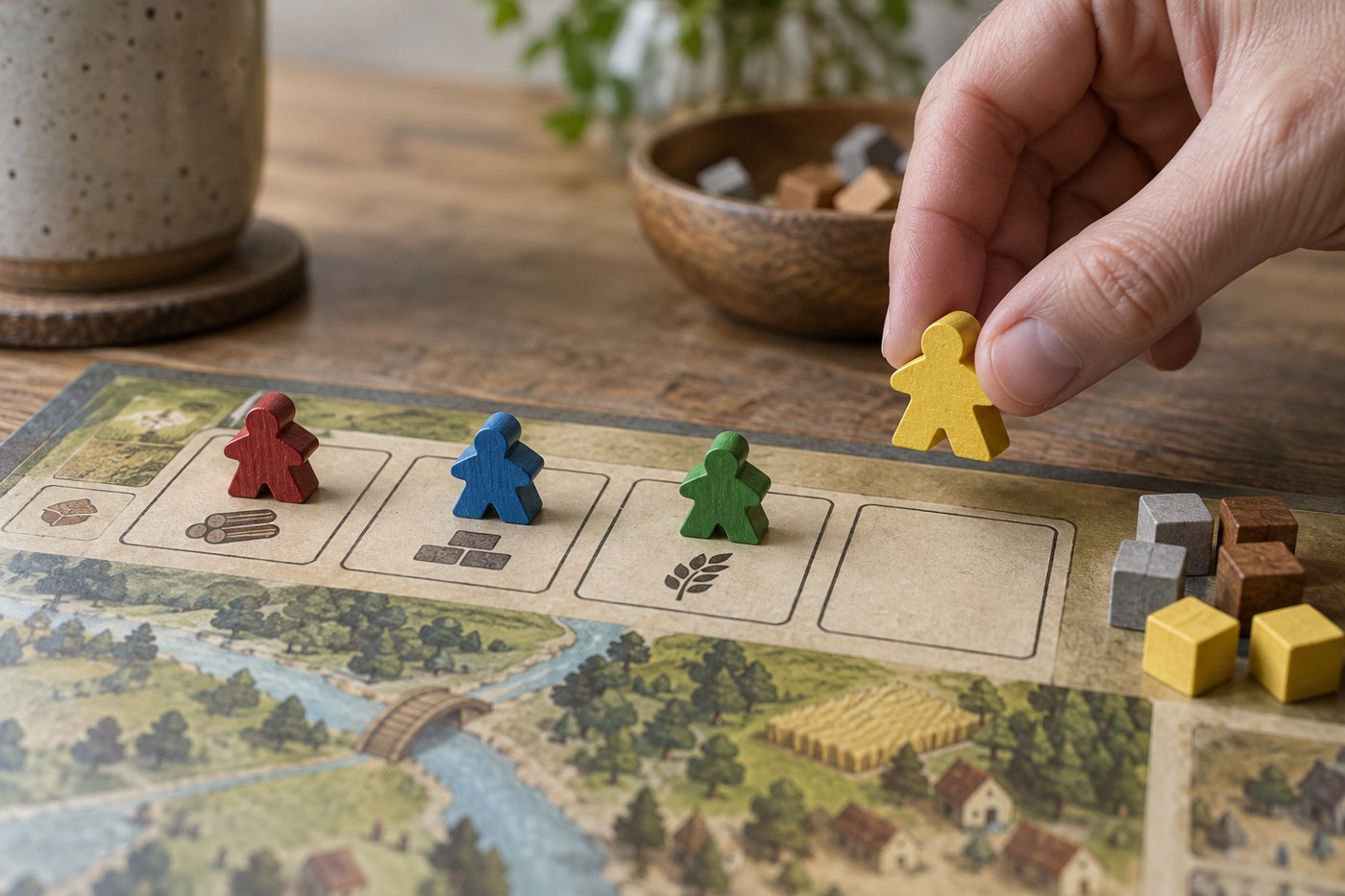
Worker placement: choosing actions before spaces disappear
↗
Game mechanics
Deck-building: why adding cards changes future turns
↗
Game mechanics
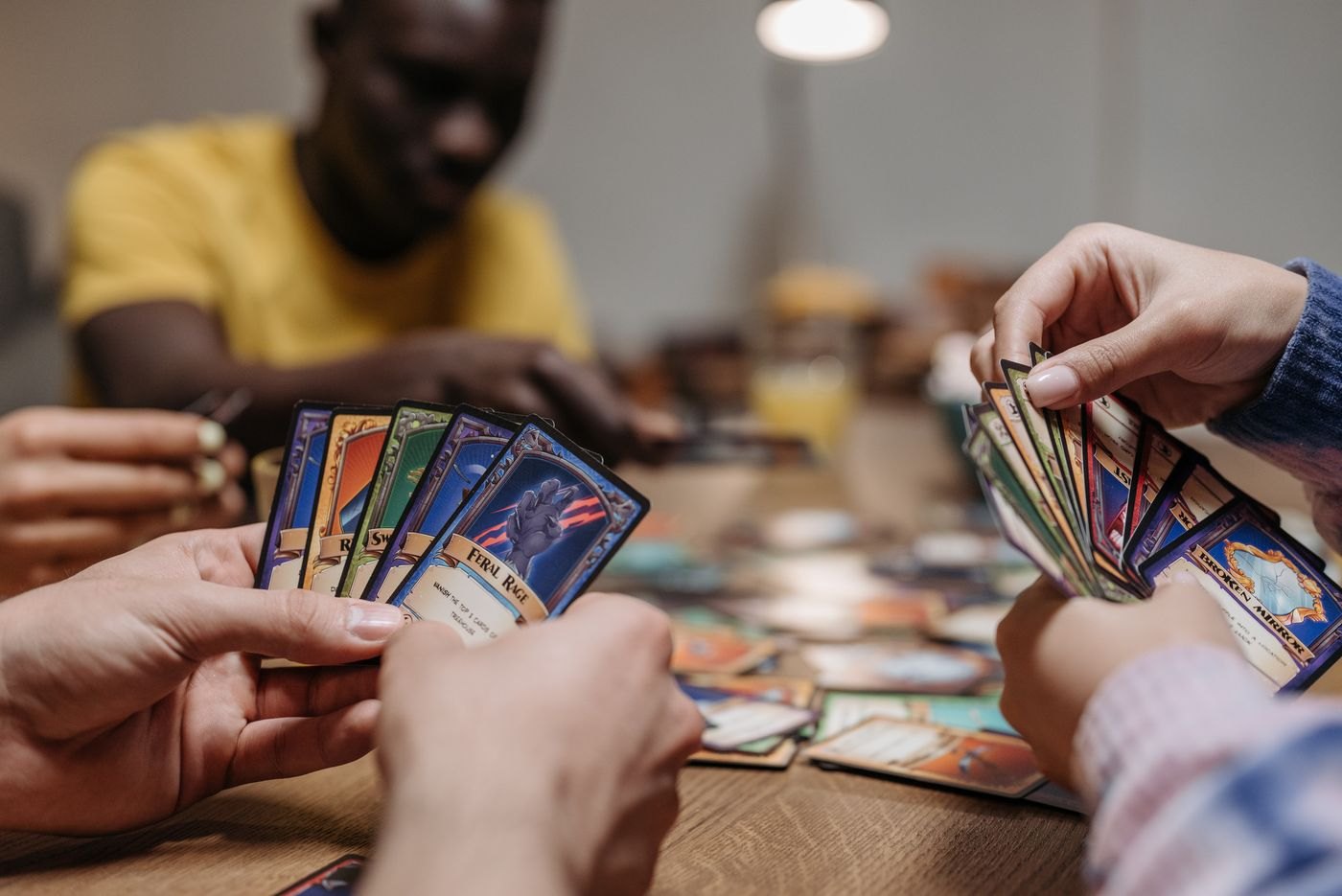
Hand management: deciding what to keep and what to spend
↗
Game mechanics
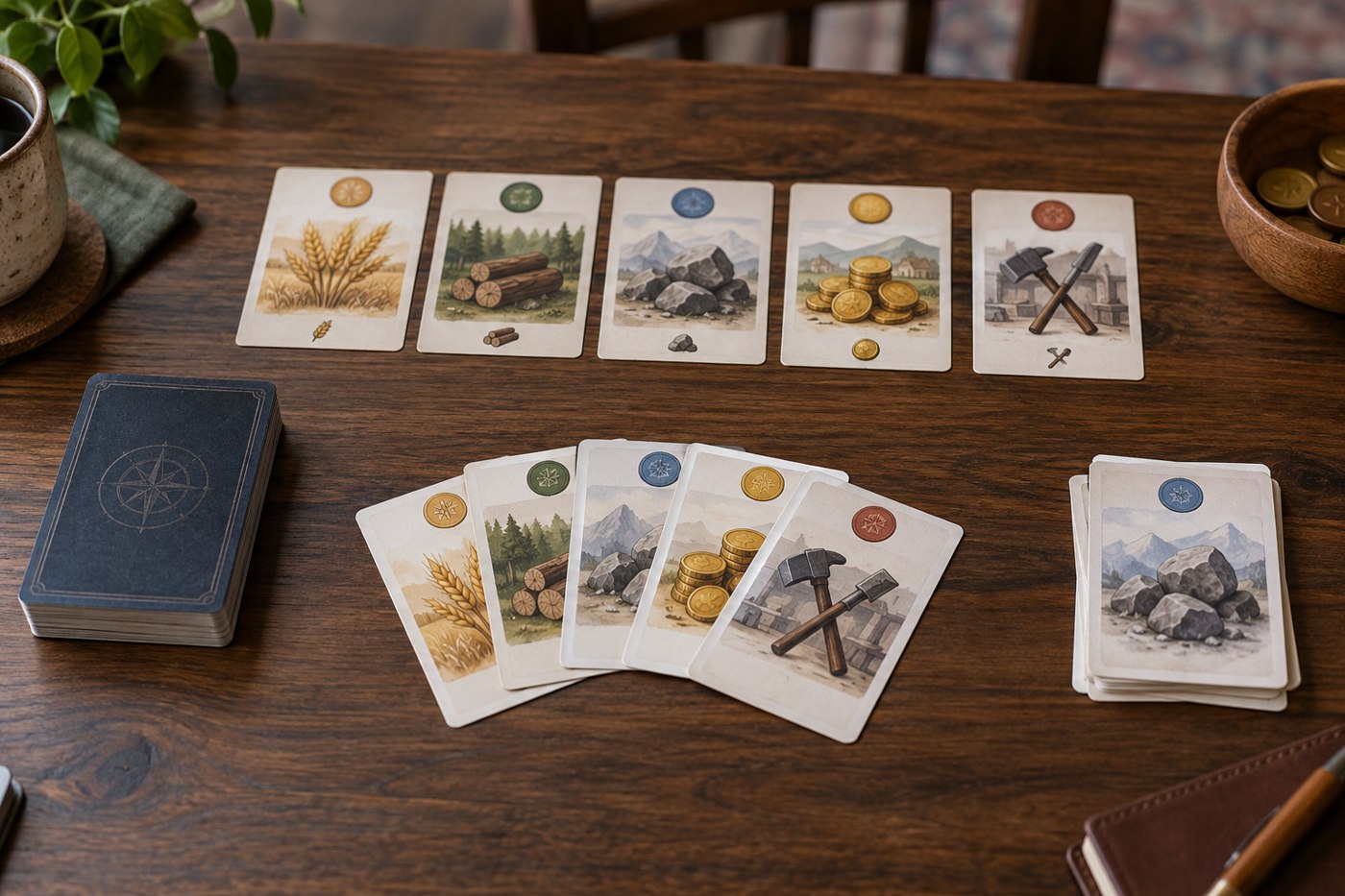
Card drafting: choosing from a changing set of options
↗
Game mechanics
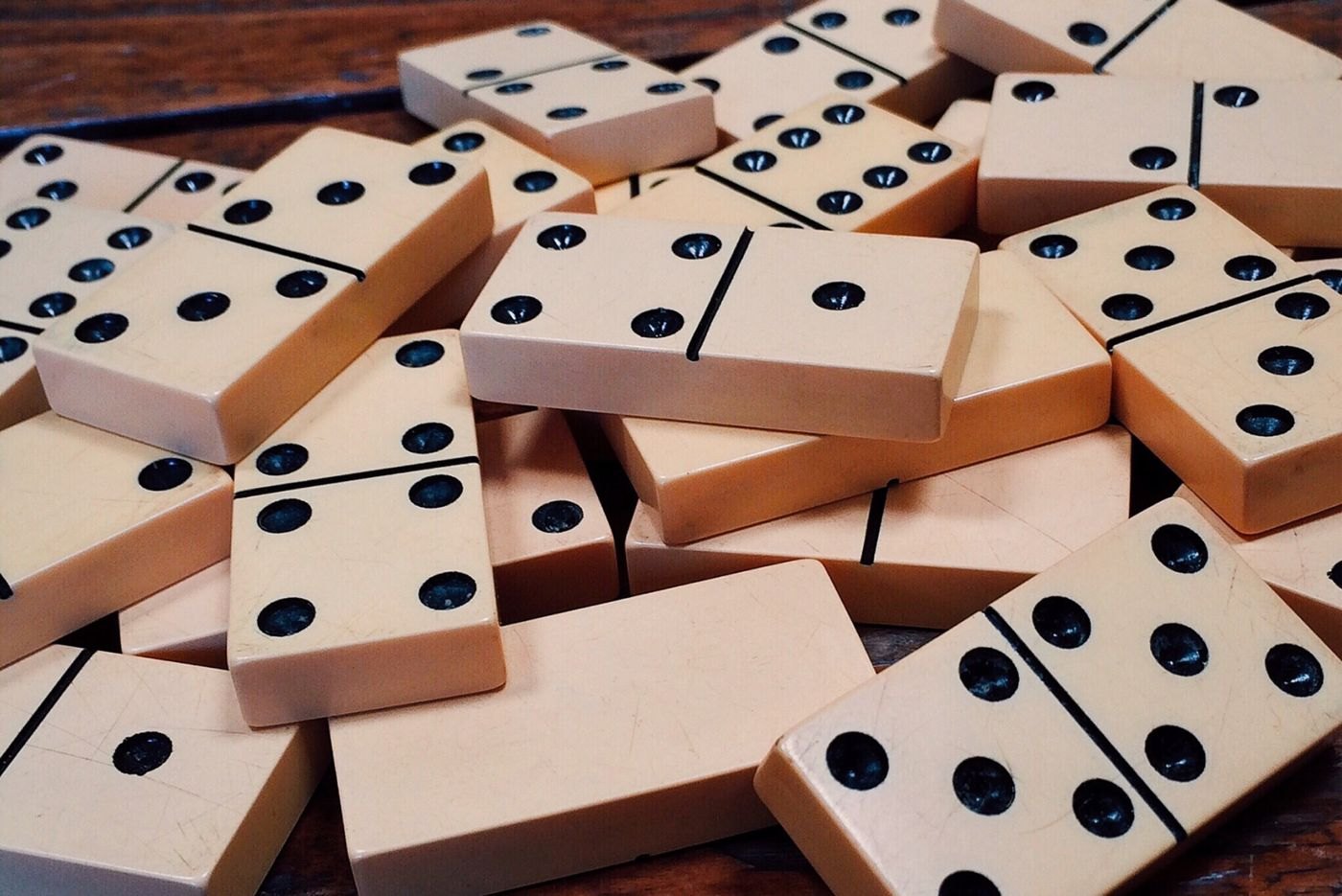
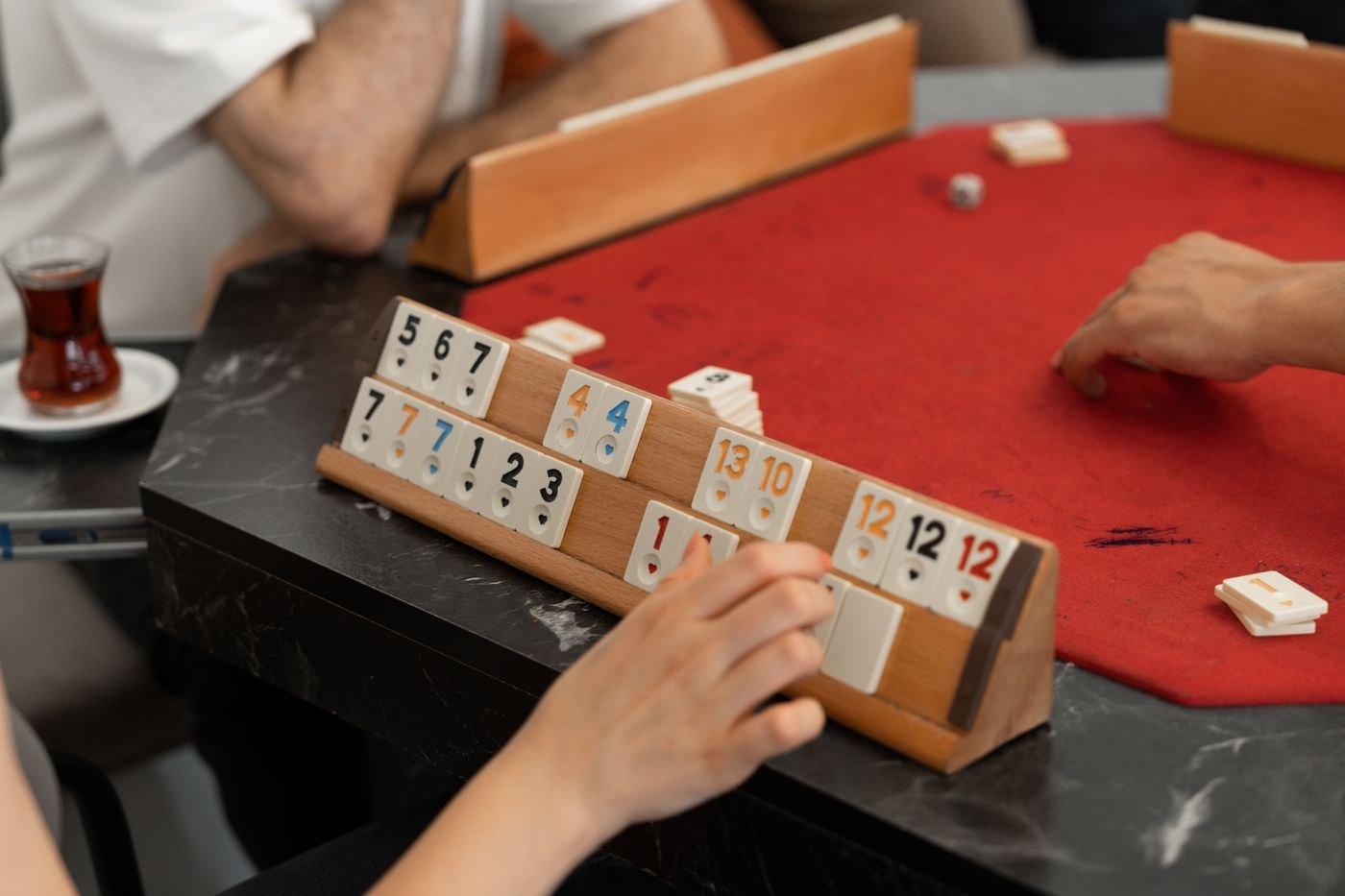
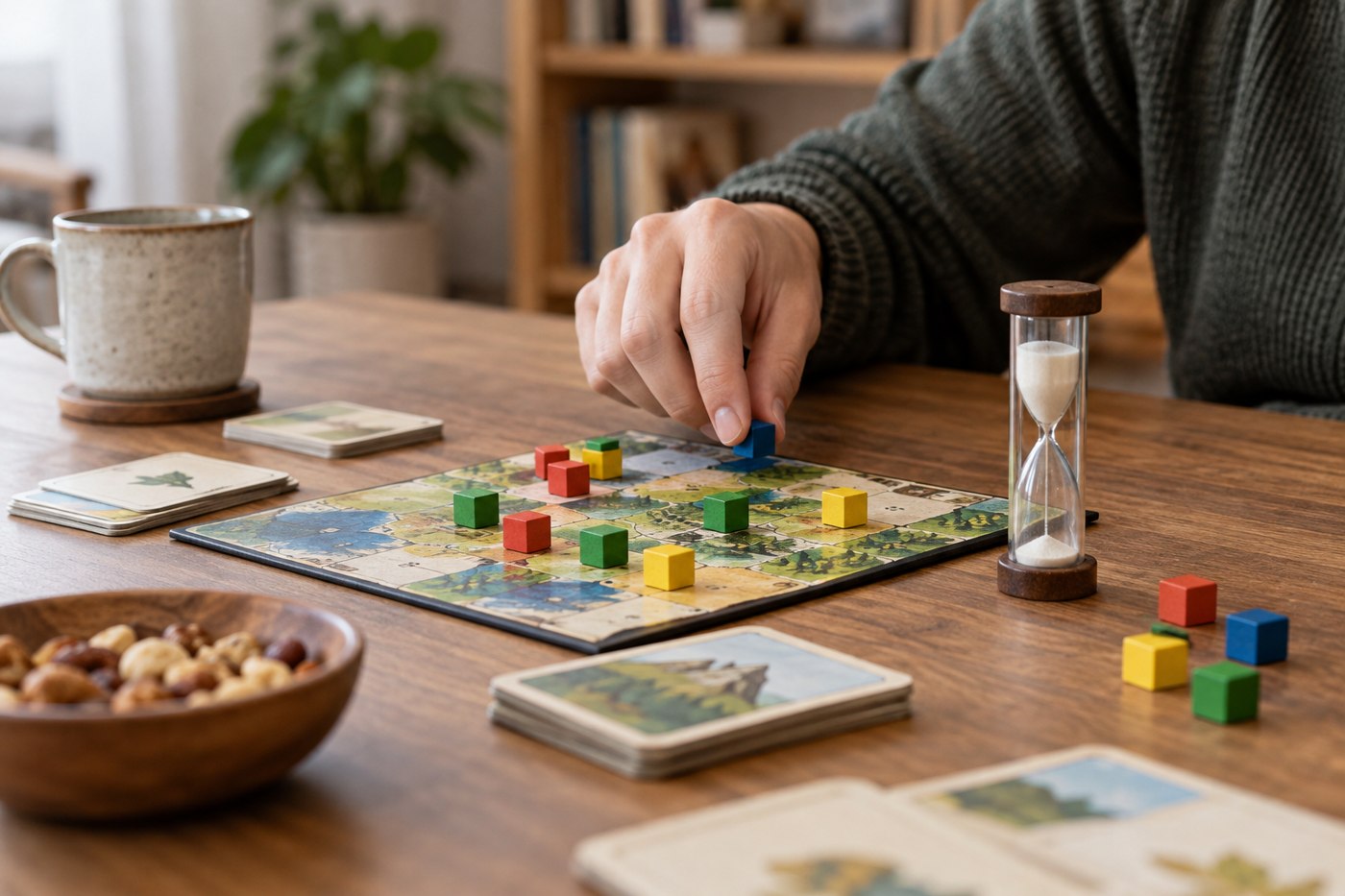
Tile placement: think about the edges as well as the centre
↗
Game mechanics
Set collection: when matching pieces creates value
↗
Game mechanics
Push-your-luck games and the decision to stop
↗
Game mechanics
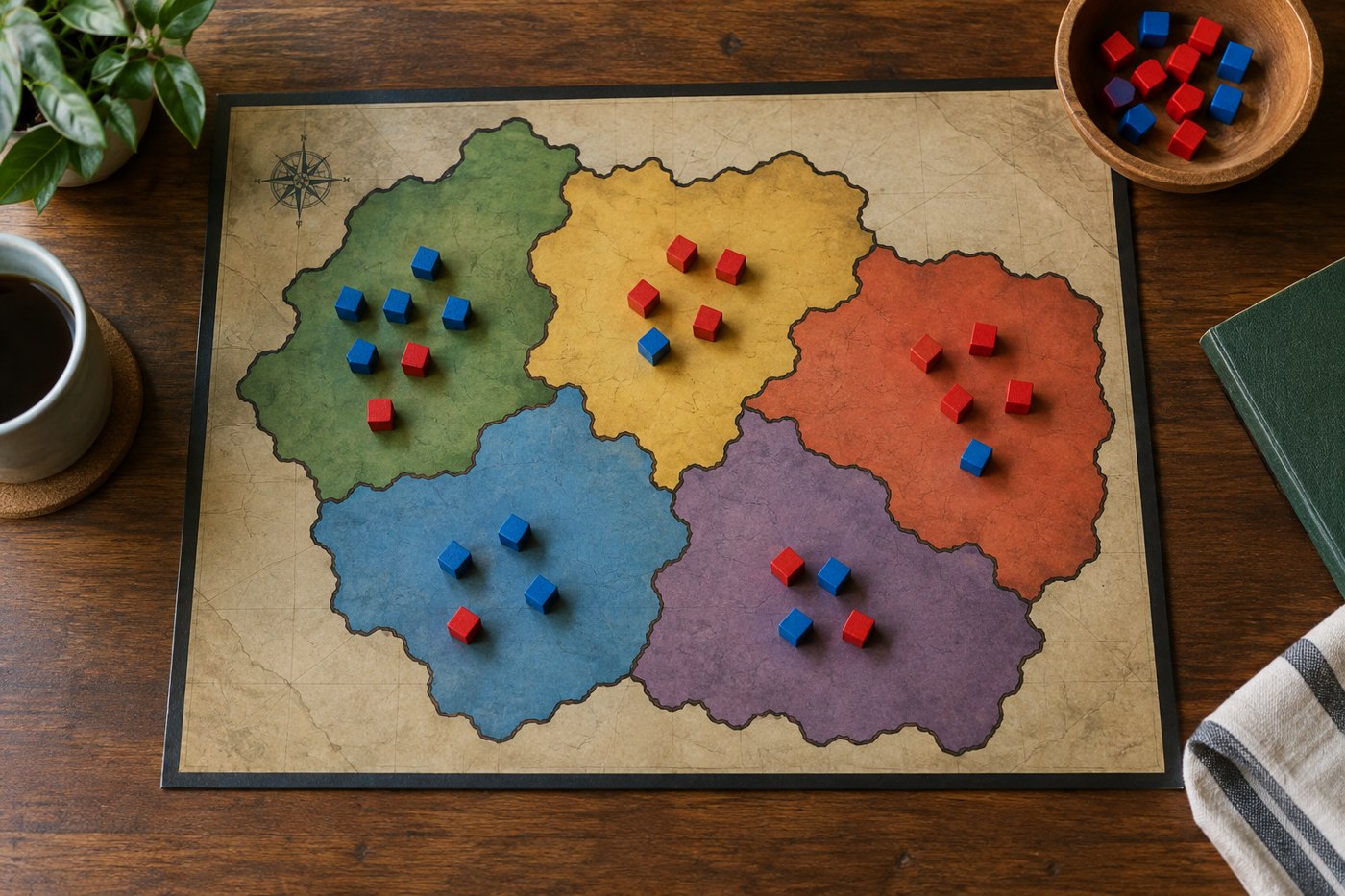
Area control: presence, influence and timing
↗
Game mechanics
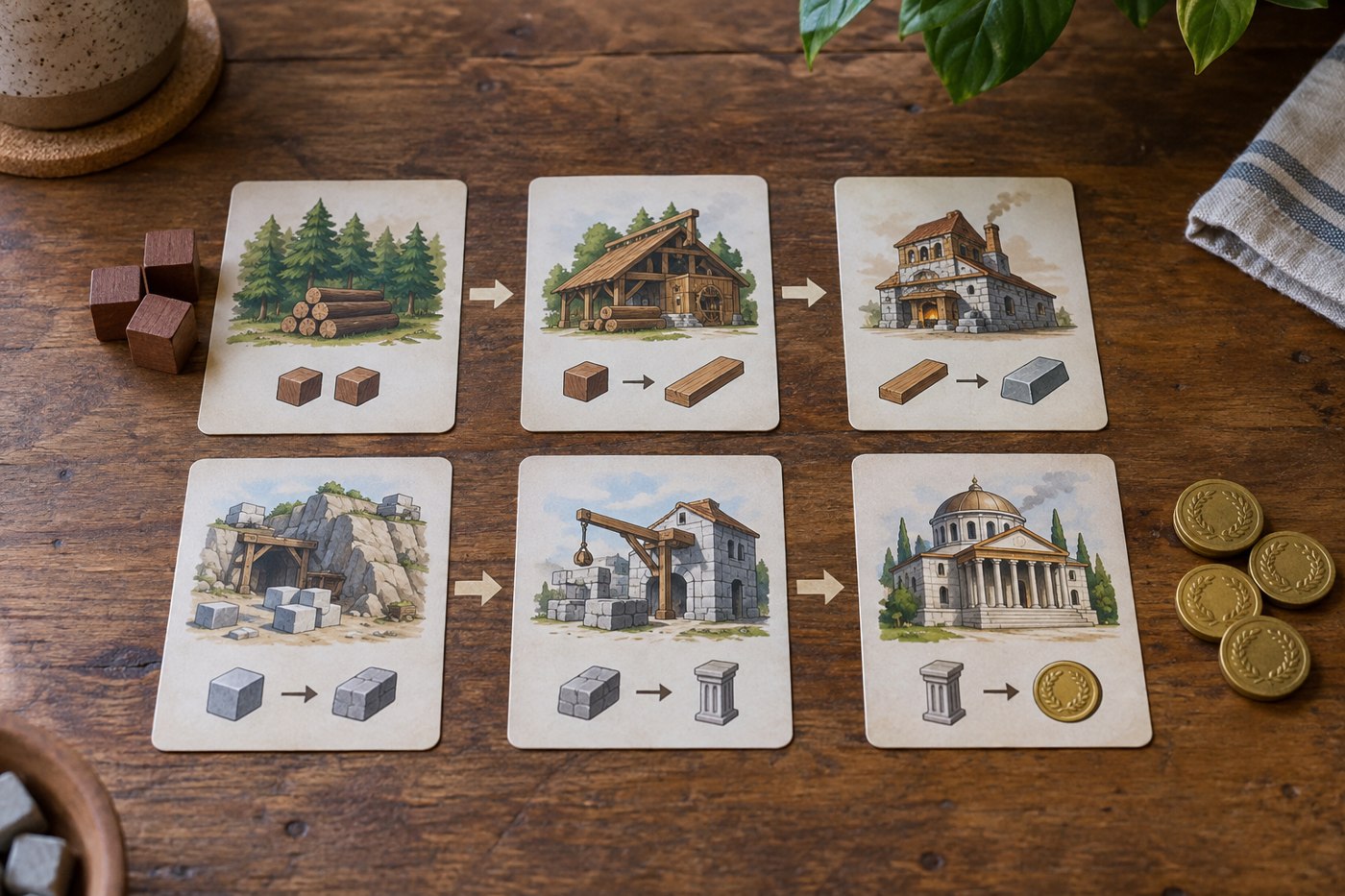
Engine-building: turning early choices into later benefits
↗
Game mechanics
Auction games: bids, budgets and what others might pay
↗
Game mechanics
Trick-taking basics before you learn a particular game
↗
Game mechanics
Roll-and-write games: one result, different decisions
↗
Game mechanics
Simultaneous actions: what happens when everyone chooses at once
↗
Game mechanics
Hidden information changes what a good decision looks like
↗
Game mechanics
Learn asymmetric player powers without teaching every faction
↗
Game mechanics
How a modular board changes setup and planning
↗
Game mechanics
Action points: spend a limited turn budget deliberately
↗
Game mechanics
Race games: progress is not always a straight line
↗
Game mechanics
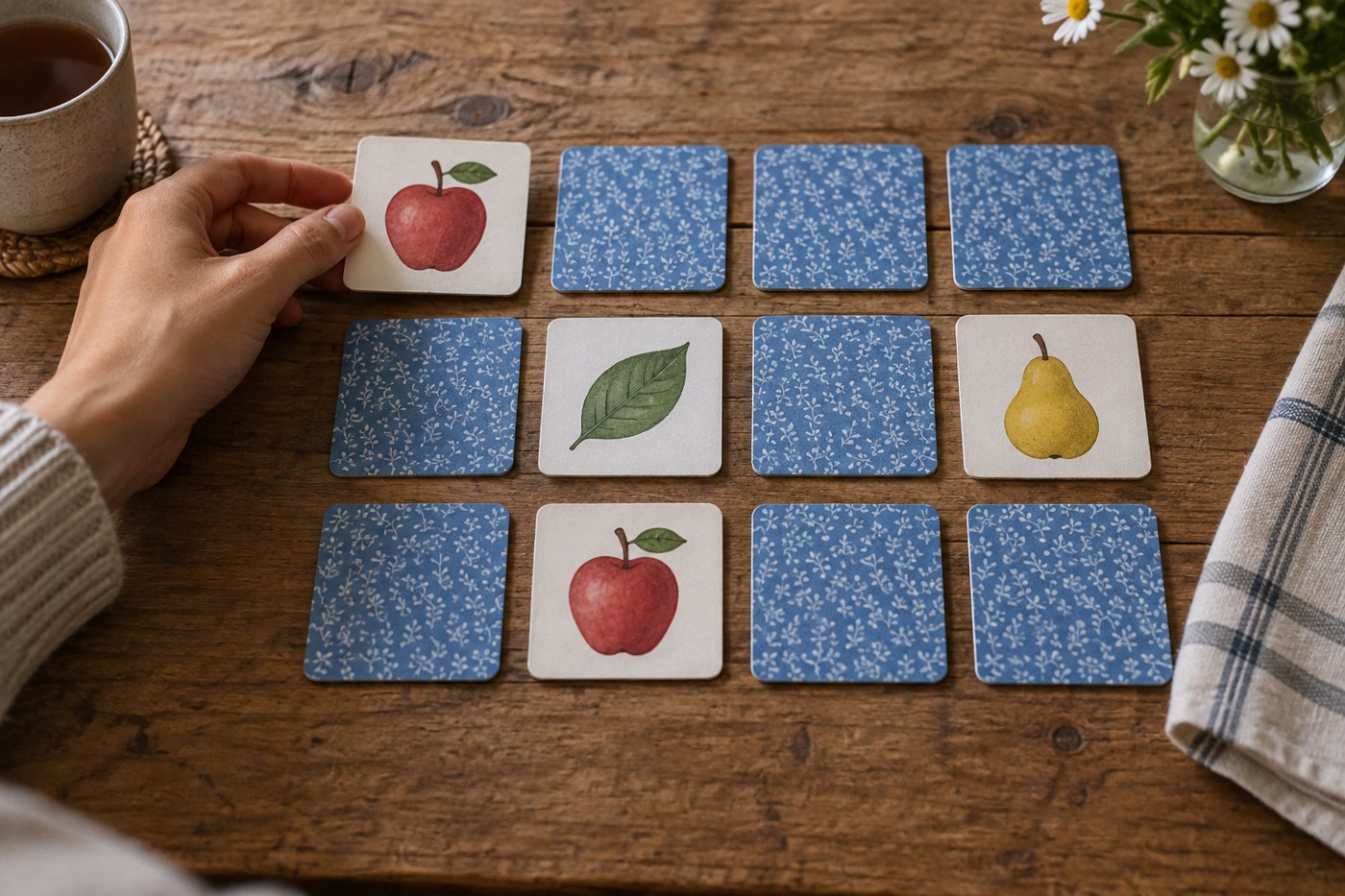
Memory games: what players are being asked to remember
↗
Game mechanics
Negotiation games need clear boundaries for table talk
↗
Game mechanics
Real-time games: learn the sequence before starting the clock
↗