Separate choosing from resolving
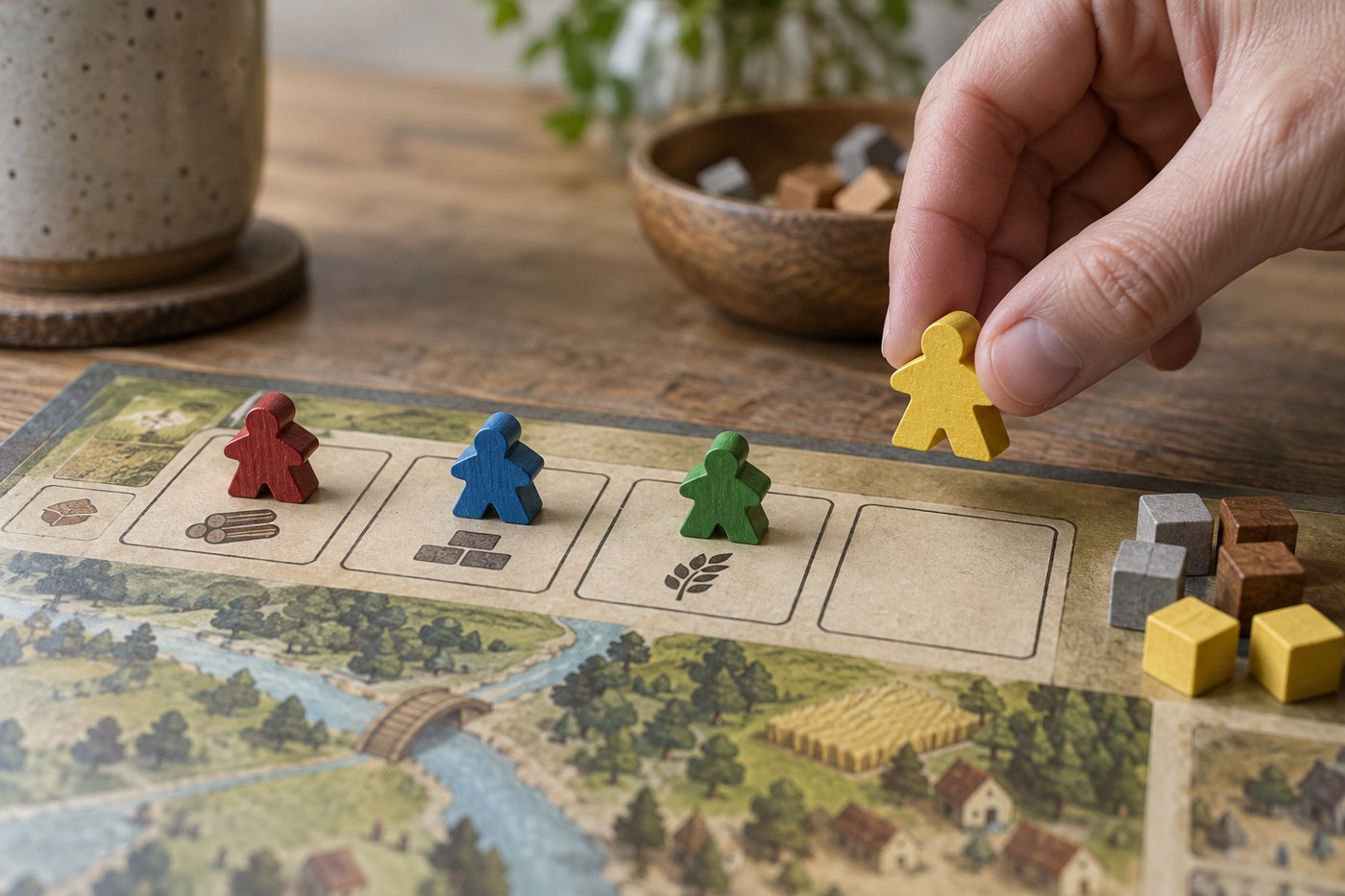
Players may choose at the same time yet resolve their choices in a fixed sequence. Alternatively, effects may truly happen together, or initiative may determine who acts first. Read the relevant steps rather than assuming 'simultaneous' means everybody moves components whenever they are ready.
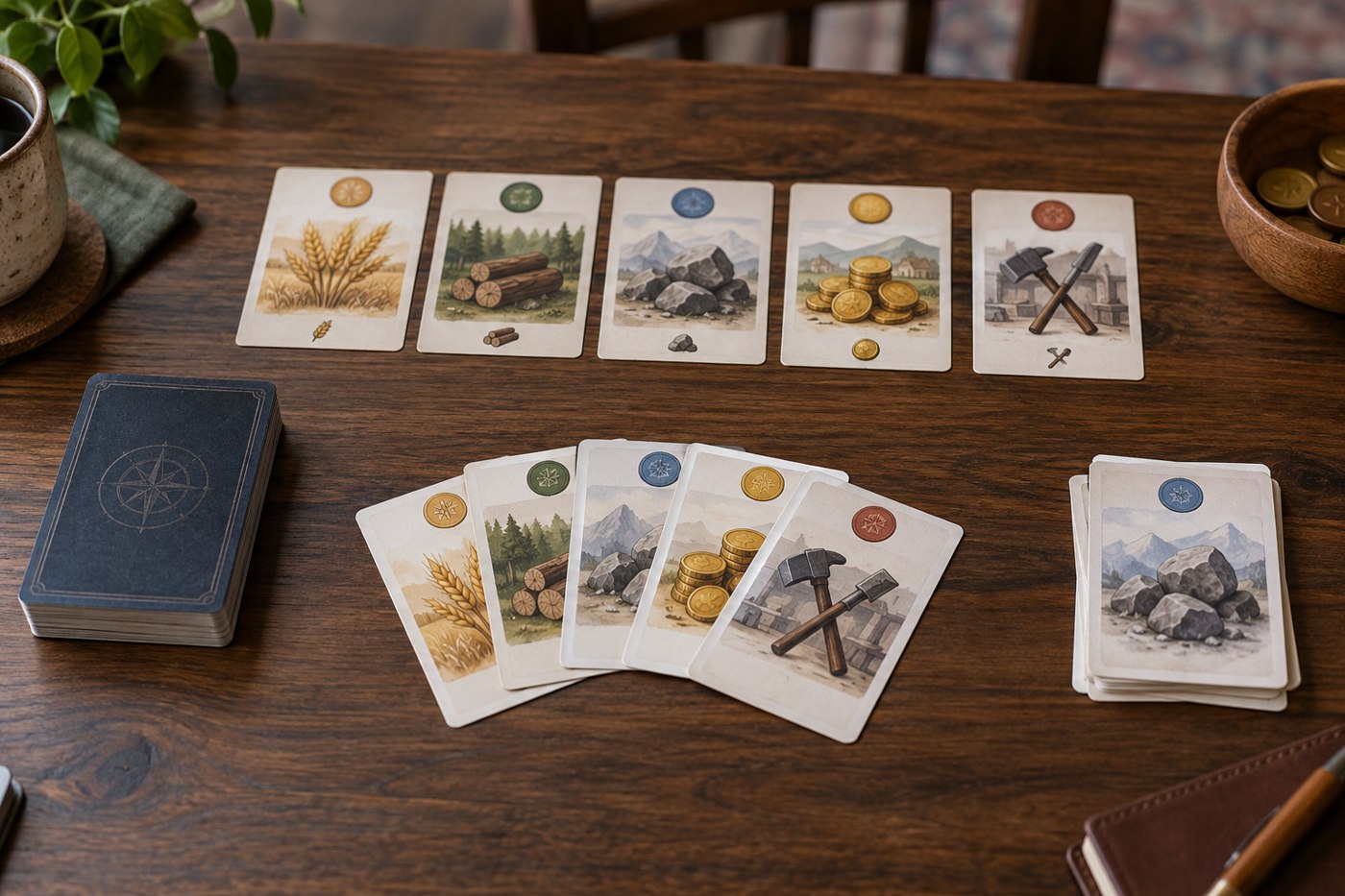
In a hypothetical action-card game, each player places one card face down, all reveal together, then actions resolve by a printed number. A player cannot change their card after seeing another reveal, even though their own action has not yet resolved. The commitment happened earlier than the effect.
Make the commitment visible
Use the game's prescribed method, such as a face-down card or selected dial. If no special component is supplied, agree on a simple ready signal that does not reveal hidden information. Everyone should know who is still deciding and when the selection window closes.
Avoid reaching into shared supplies before the reveal if doing so indicates what you chose. Small physical habits can leak information in a system built around hidden selections. Keep hands and components neutral until the appropriate step, especially while learning what is supposed to remain private.
Plan for collisions and changed conditions
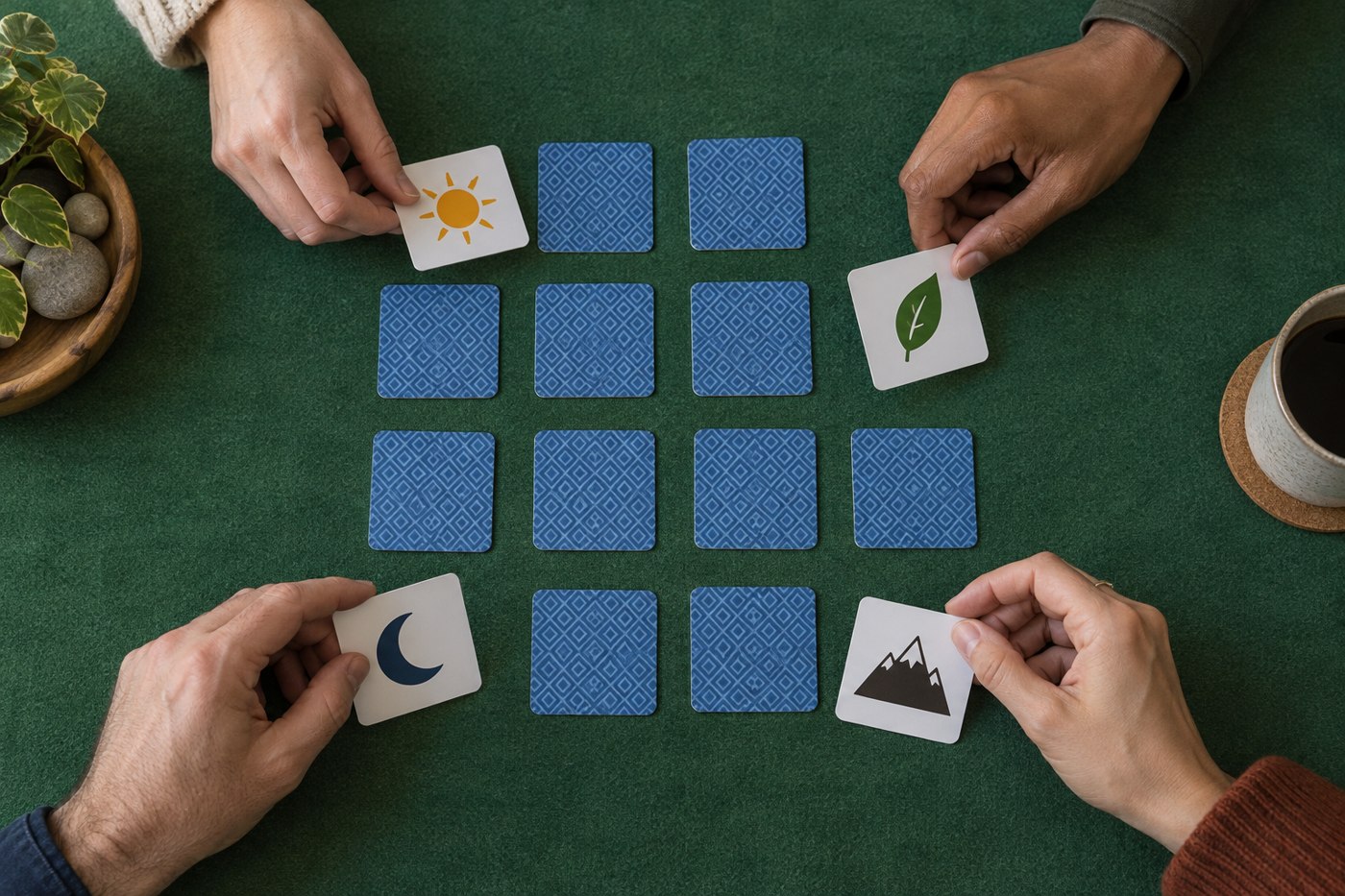
Two people may choose the same limited item or target. The game should explain how ties, priority or unavailable targets are handled. Find that rule before the first collision. Do not award the item to whoever physically grabs it fastest unless dexterity or speed is explicitly part of the game.
An earlier resolution may make a later choice impossible or less effective. Check whether the later player receives a substitute, loses the action or follows a fallback. This risk may be intentional. Letting someone freely change their selection can remove an important part of the system.
Keep the pace shared rather than pressured
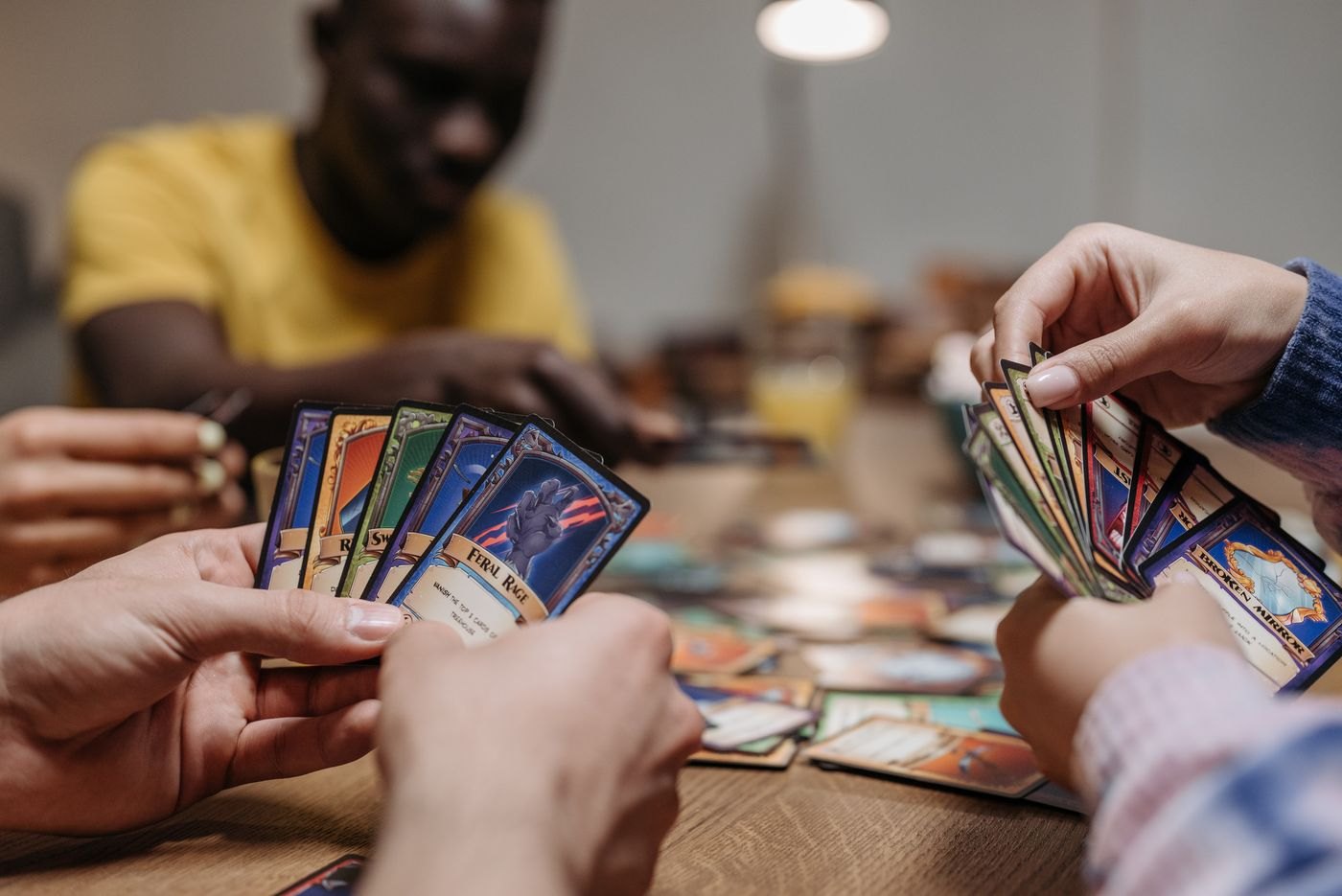
Wait until everyone has committed before revealing. A player who finishes quickly can leave their choice face down and avoid repeatedly asking whether others are ready. If one person consistently needs much longer, check whether they are reading unfamiliar text or missing a rule before assuming indecision.
For a first play, pause after each resolution step and explain public effects. Once the group knows the rhythm, the procedure becomes faster naturally. Simultaneous selection can reduce waiting, but it does not remove setup, reading or rule checks, and it does not justify skipping them.
Check the next round's reset
Confirm which choices remain available, which cards return and whether initiative changes. A player may be unable to choose the same action again, or may have to pay a different cost next round. Keep used and available options separate.
Publisher materials for 7 Wonders offer one example of players developing their positions concurrently. Other games resolve concurrent choices very differently, so use familiar examples to understand the idea while learning each title's own timing.