Follow the setup constraints
Check which modules are used for the player count or scenario, which sides face up and whether orientation matters. Some layouts are random within limits; others are fixed diagrams. A module that physically fits may still create an illegal or unbalanced arrangement.
Separate unused pieces before shuffling or drawing. Expansion modules may introduce rules the base game does not use. Verify connecting edges and starting positions before adding players' pieces, when a setup correction is still easy to make.
Compare the finished layout with the diagram from the same scenario, not a photo of somebody else's variant. Similar-looking maps can use different starting resources or special exceptions.
Read the new geography
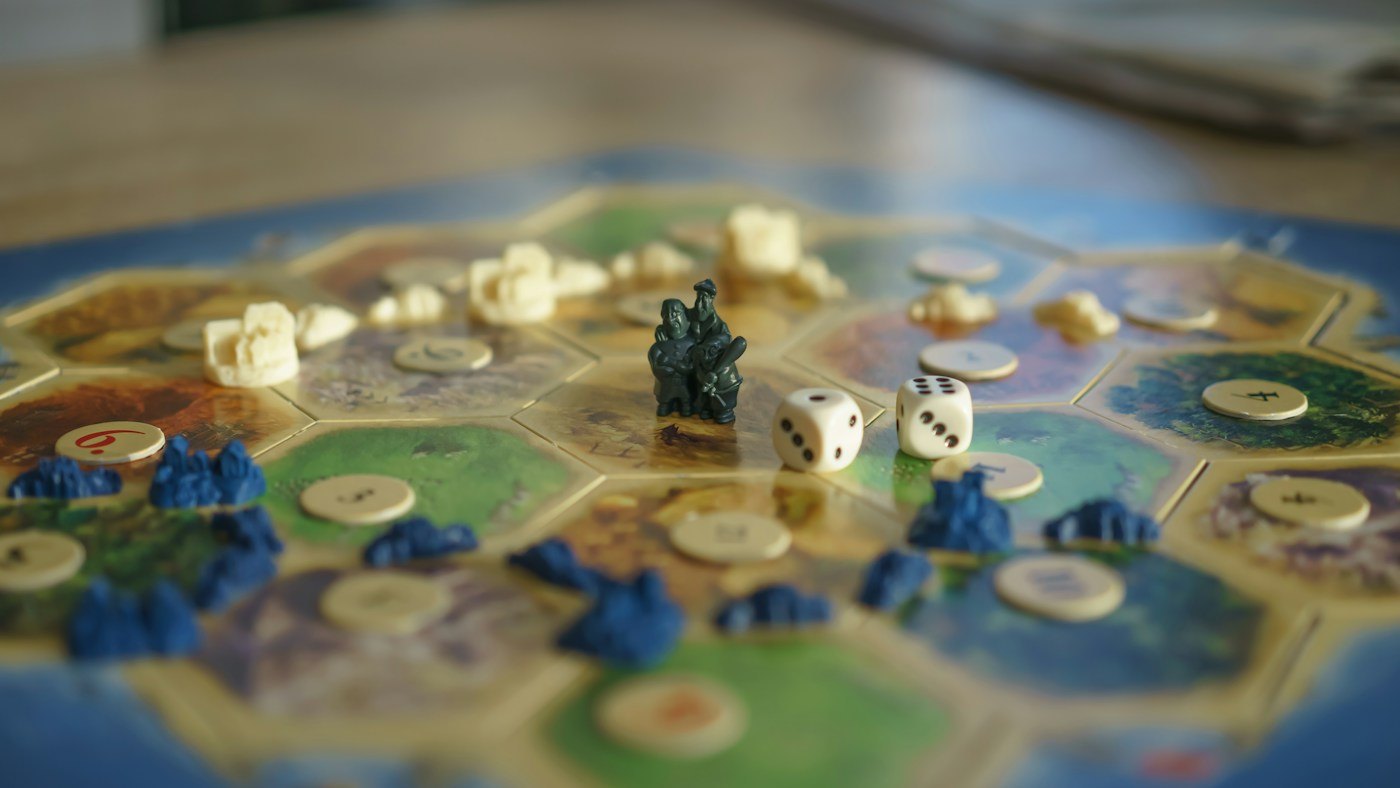
Once assembled, inspect the routes rather than relying on memory from a previous play. A resource that was nearby last time may now require a detour. Identify narrow connections, isolated areas and places where several routes meet.
In a hypothetical exploration game, two layouts might contain the same locations but place a bridge differently. That single change can alter who reaches an objective first and how easily a player can switch plans. Familiar components do not necessarily produce a familiar opening.
Distinguish known terrain from discovery
Some modular boards are fully visible at the start. Others grow as tiles are revealed. With a visible map, you can plan routes from known connections; with hidden modules, leave room for discoveries that change the path.
Check whether unrevealed tiles can be examined and how new pieces are oriented. Do not look through a stack to see what might appear unless the rules permit it. Also establish what happens when the board reaches the table edge so an ordinary space problem does not become an improvised game rule.
Preserve the layout when saving
If a session continues later, record module identities, orientation and connections as well as player positions. A photograph can help with public terrain, but a written note may be clearer for similar-looking pieces. Keep hidden modules concealed and preserve their order when that matters.
For a first game, use the recommended beginner layout if one exists. It can provide a more readable introduction than maximum randomness. You can explore the full range of arrangements once the group understands how the board's geography affects decisions.