Prepare every component before the clock
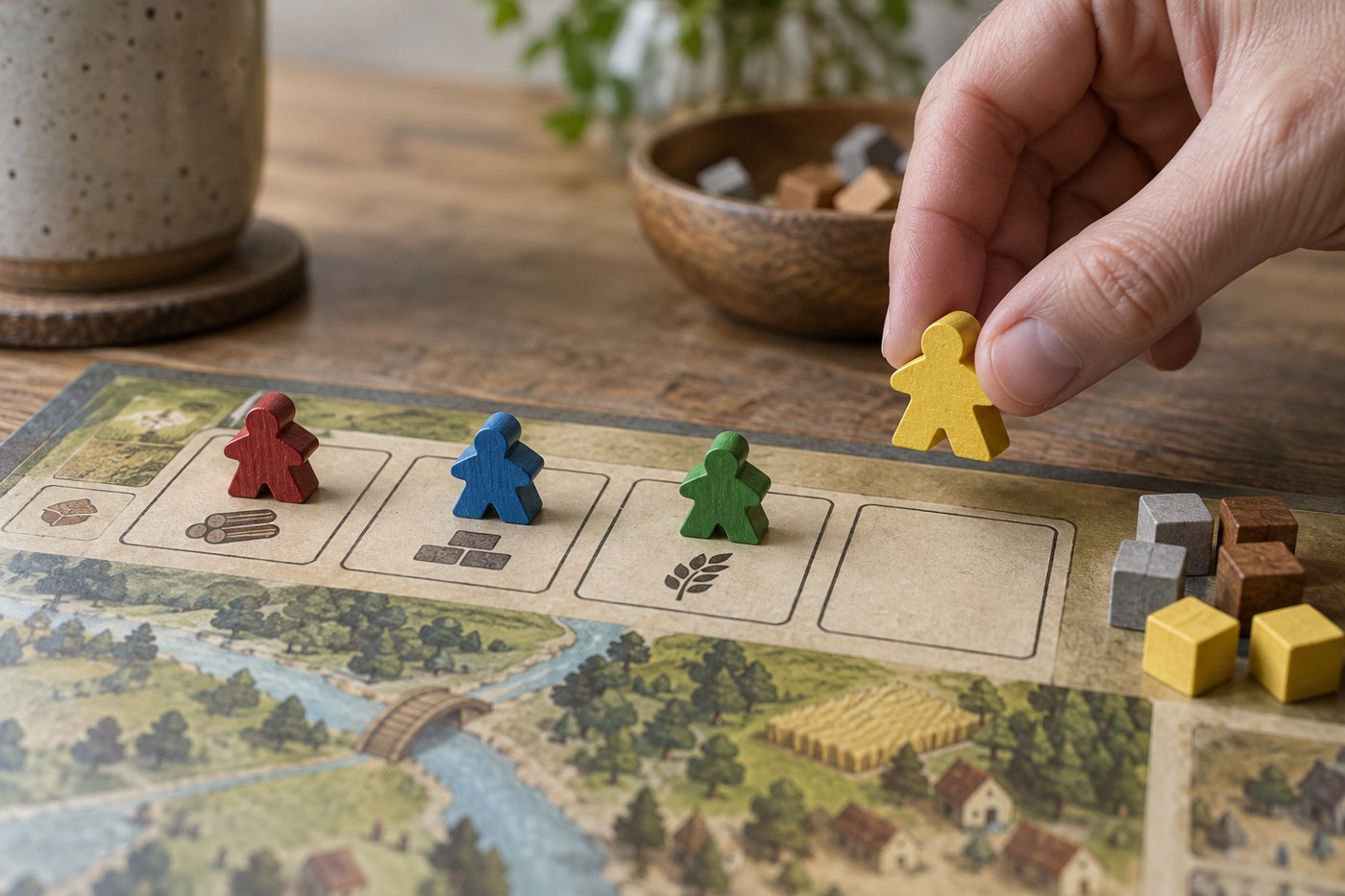
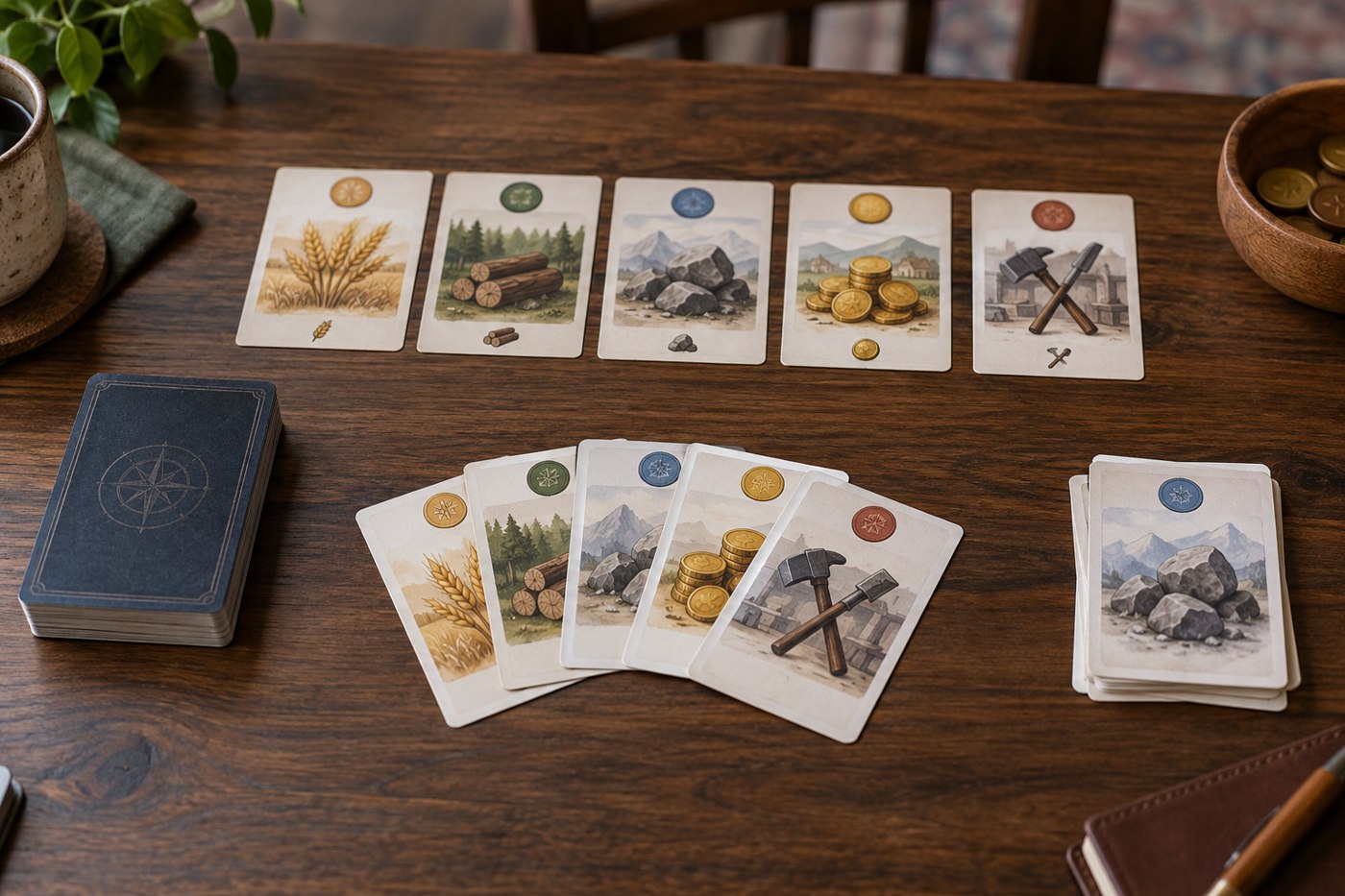
Complete setup, distribute personal pieces and confirm starting positions. Put commonly used components where the relevant players can reach them without crossing arms. Check that cards or tiles are oriented clearly enough to read quickly. A cramped layout can create accidental interference that is unrelated to the intended challenge.
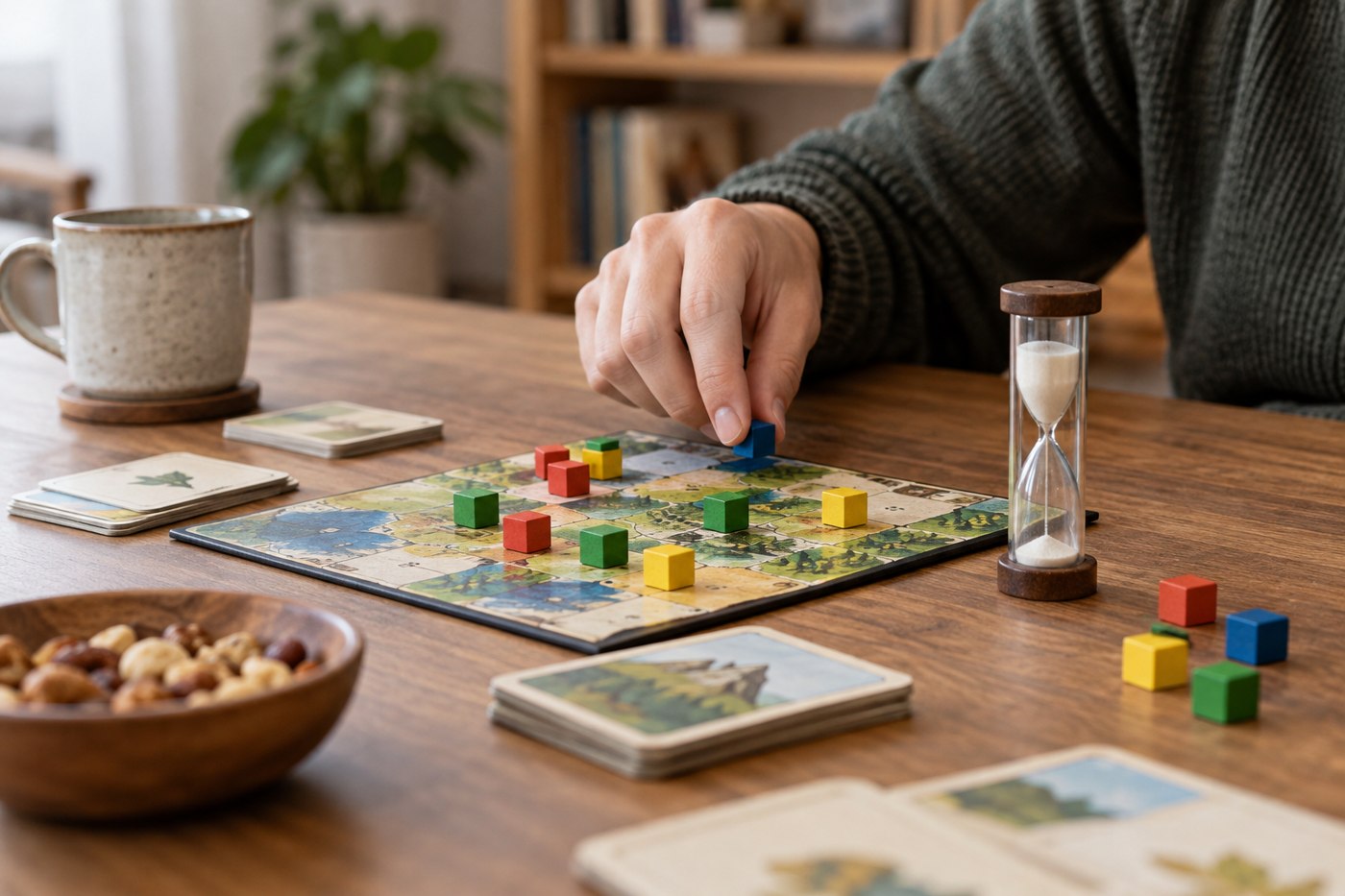
If the game uses an audio track or app, test the volume and required controls beforehand. Confirm that the correct scenario or difficulty is selected and that an unexpected notification will not interrupt the sequence. Use the official timing method or an explicitly supported alternative; an arbitrary timer may omit important intermediate cues.
Check whether everyone can perceive the timing cues from their actual seat. A quiet warning under music or a display facing only one player can make failure feel arbitrary. Use supported accessibility options when available, and choose another activity if the required cues cannot be made usable for the group.
Practise the basic action without pressure
Demonstrate one legal action slowly, including payment, movement and any reset. Then let each player try the physical procedure. In a dice game, show which dice may be rerolled and where locked or spent dice belong. In a card game, show how a completed task is recognised.
Use a short practice position and reset it before the real attempt. This is particularly useful when players perform different roles. Someone who understands the objective verbally may still need to practise picking up, arranging or passing pieces in the required order. A minute of rehearsal can prevent an entire timed round of confused gestures.
Agree on useful communication
Find out whether players may speak freely, use limited phrases or remain silent during certain periods. Communication restrictions are part of some designs. Do not override them because shouting advice seems helpful.
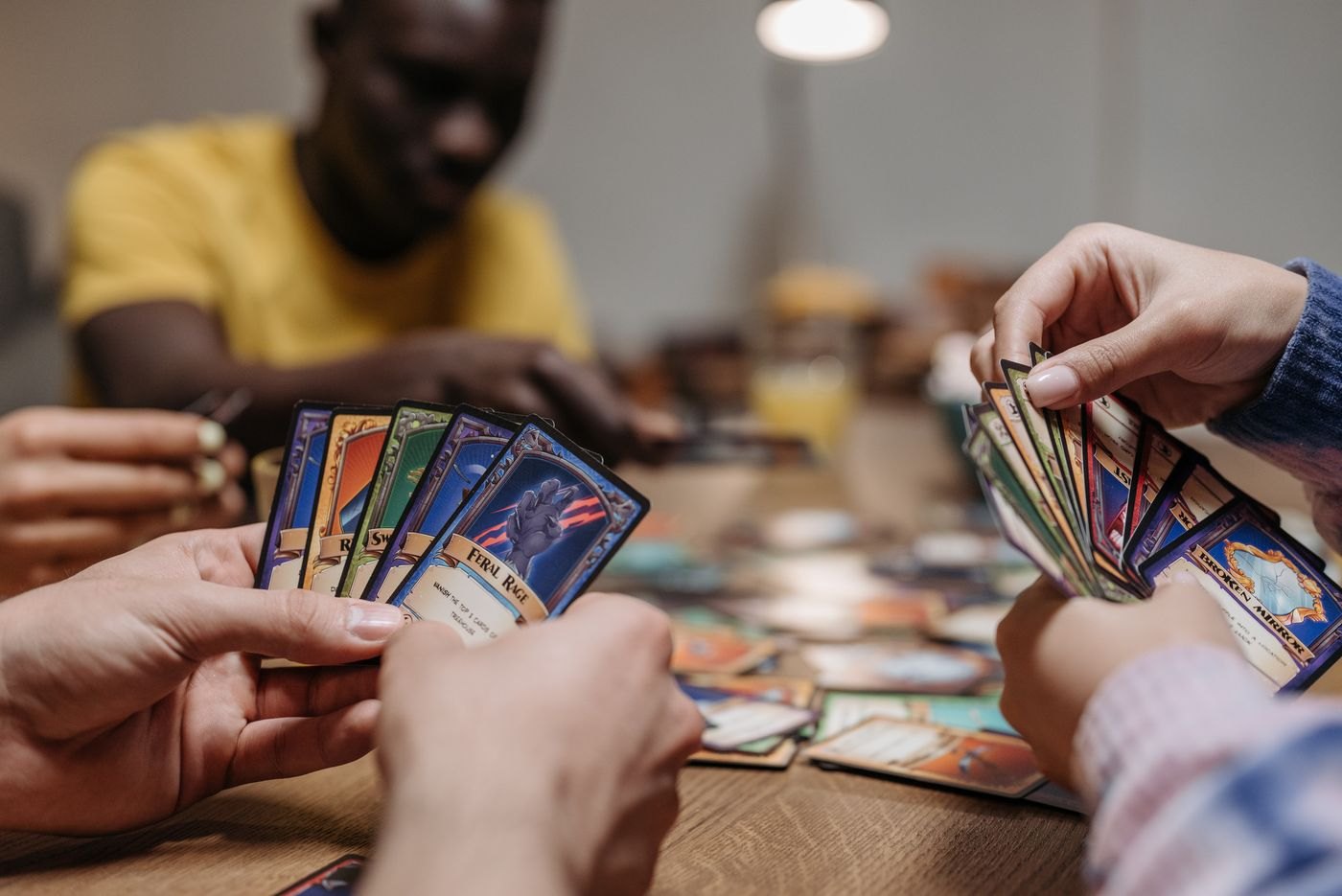
Where open discussion is allowed, use short, specific requests. Naming a location, resource or player is clearer than calling 'over here' across a busy table. Agree on simple terms for shared components before starting. Multiple people giving incompatible instructions at once can make a cooperative game less coordinated than silence.
Understand failure and interruption
Explain what happens when time expires, a required event is missed or a component leaves the table. Some games define these cases; others may need a practical agreement for accidental interruption. Establish that agreement before it affects the outcome.
If an actual need requires stopping, stop. A game result is less important than responding to a person or a spill. When resuming, use the published pause or restart procedure where available. Be honest if the attempt is no longer comparable to an uninterrupted one rather than forcing a disputed result.
Resolve actions cleanly under pressure
Speed does not remove prerequisites. Finish the current action before taking its reward or beginning an action that depends on it. Keep used resources visibly separate so you do not accidentally spend them twice. A consistent physical routine is often faster than frantic movement.
Queen Games describes Escape as cooperative real-time play rather than ordinary rounds, making it a useful example of why action procedure must be learned in advance. Other real-time titles may have quite different restrictions. Check the game on your table instead of importing a rule about dice, talking or timing from another one.
Use a short debrief before retrying
After the timer ends, check the result and identify one or two concrete problems. Perhaps a resource pile was hard to reach, two players used different names for the same location or somebody misunderstood a reset. Fix those before another attempt.
Ask whether everyone wants to repeat the game. The intense pace can be enjoyable for one person and tiring for another. A calmer game afterward may fit the group better than repeated attempts driven by only the most enthusiastic player's desire to improve the score.