Understand the new bottom edge
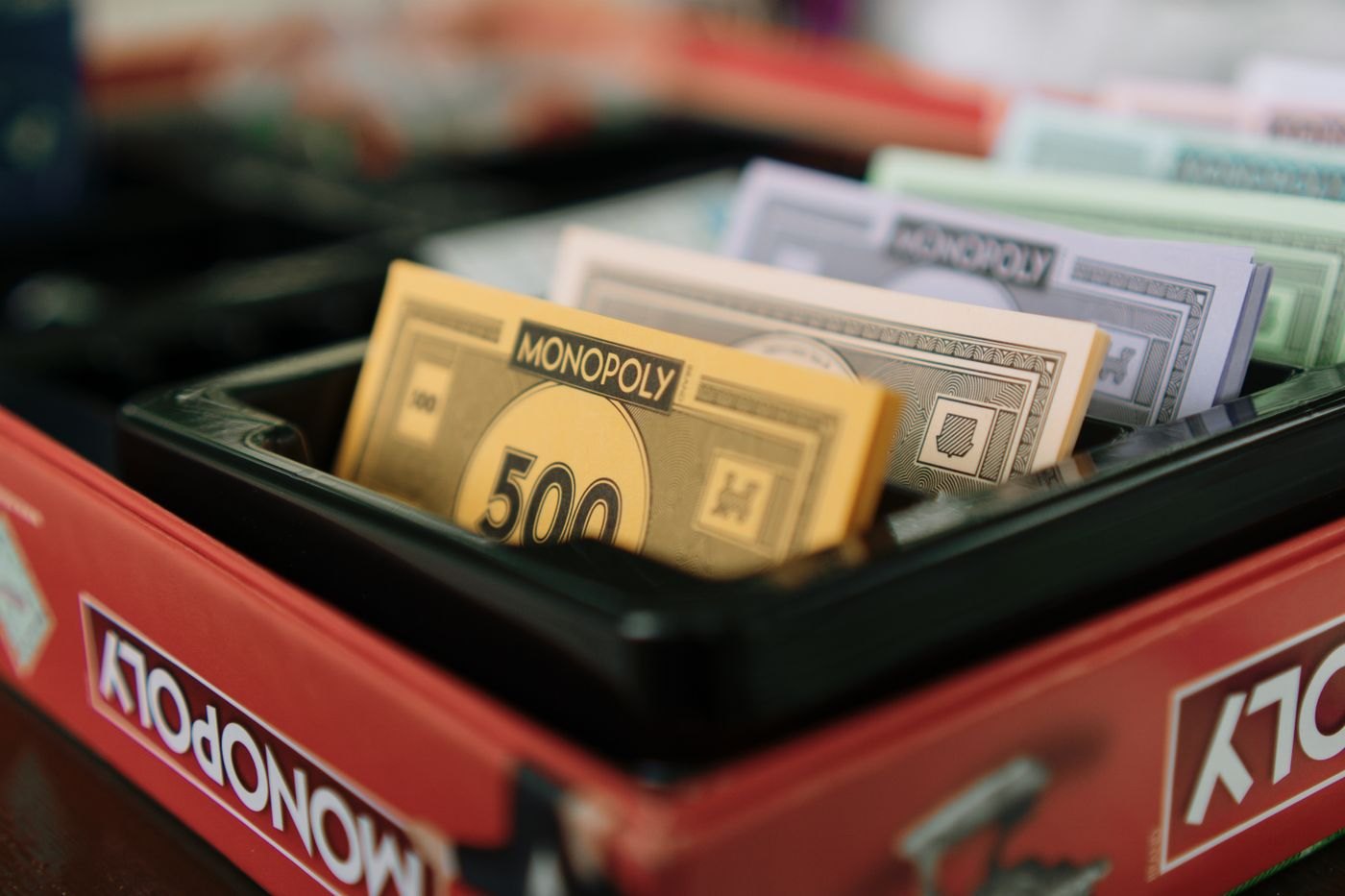
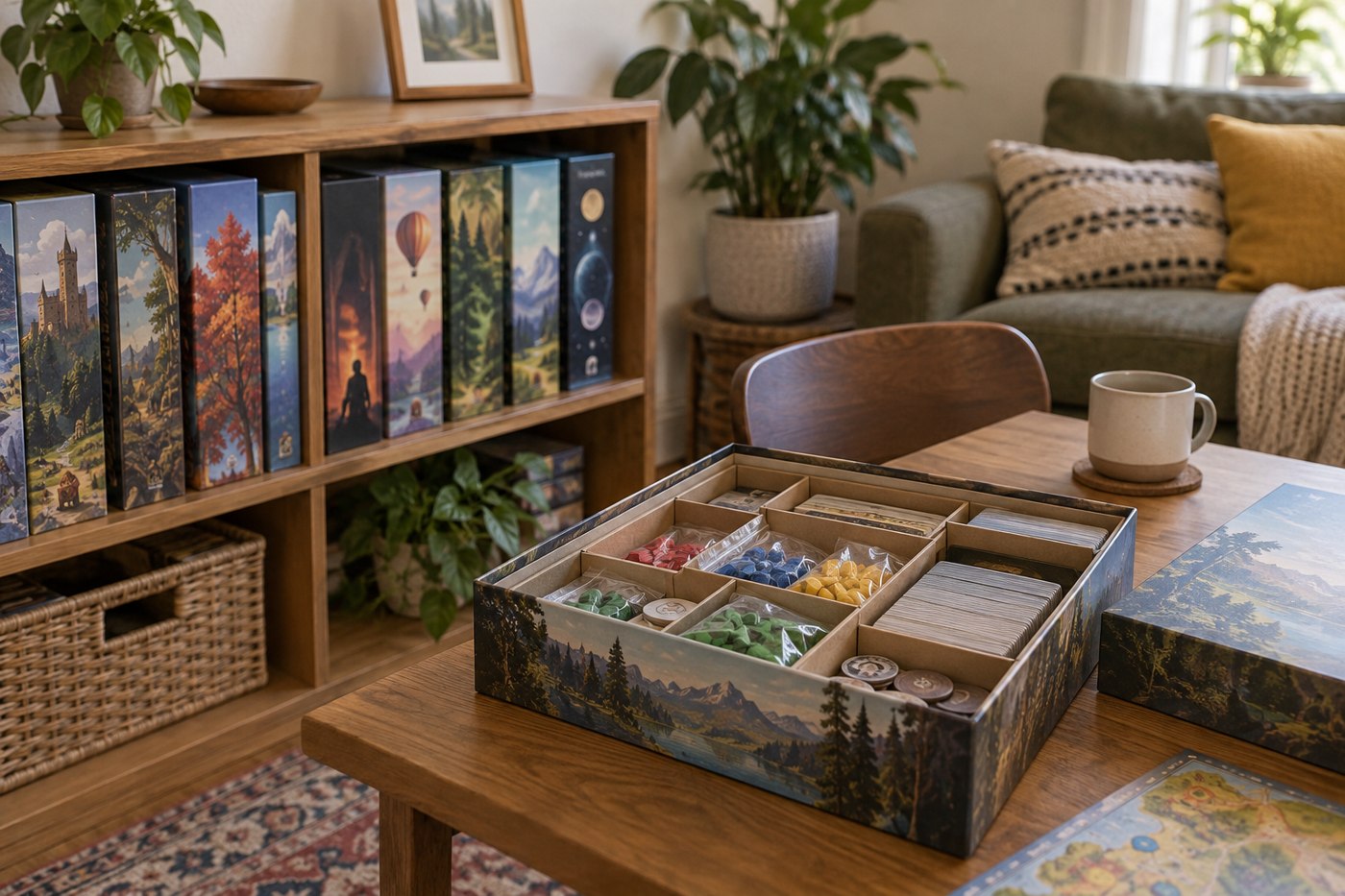
Choose which edge will support the box and consider where each component moves when the box is rotated. Open wells that face upward on a flat table may become sideways openings. Small tokens can escape into gaps between the tray and lid even when the insert initially looks full.
Inspect the lid fit and the strength of the box edges. A loose lid may slide away from the base, while a damaged edge may be a poor support surface. Do not rely on neighbouring games to clamp a distorted box into shape. Each game should remain reasonably secure when removed from the shelf.
Contain loose pieces before rotating
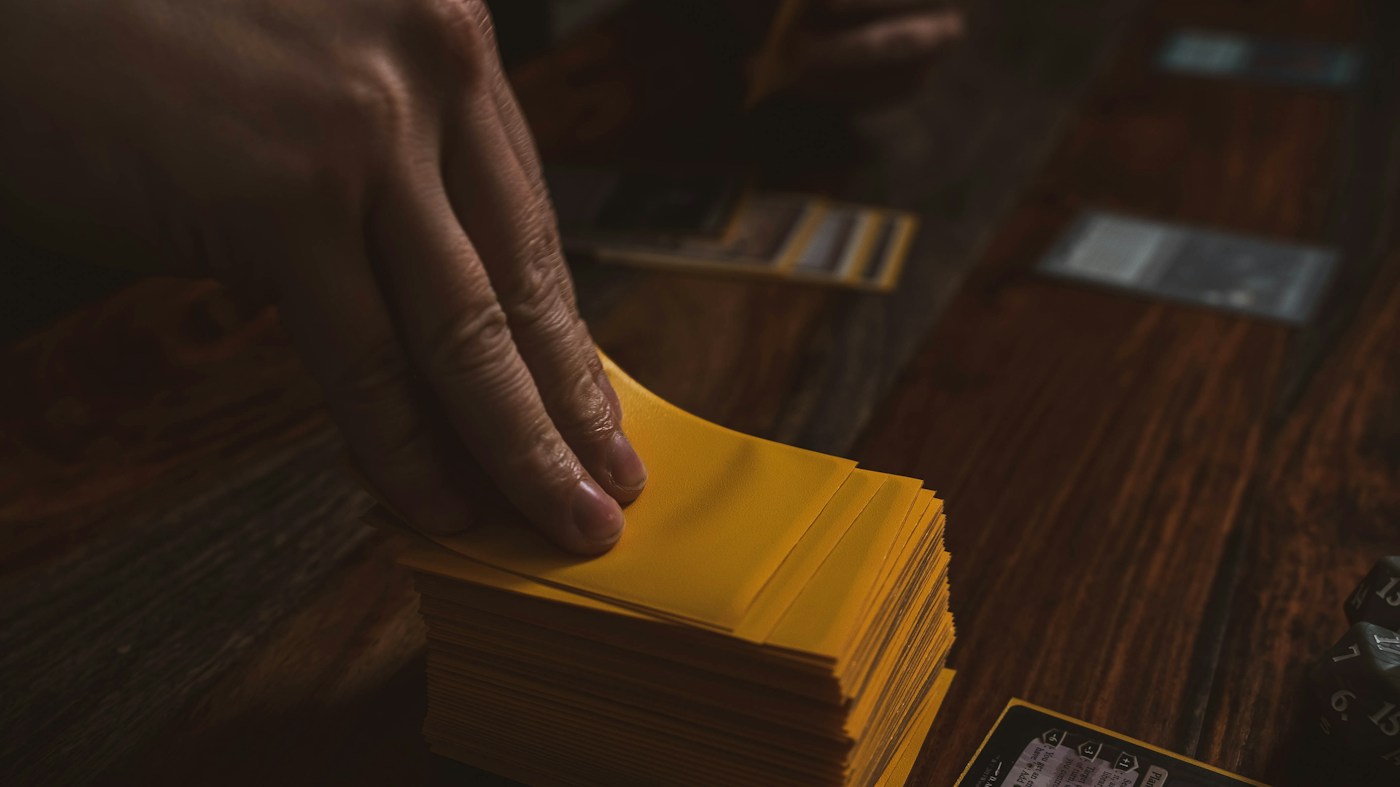
Use suitable closed bags or covered compartments for components that can migrate. Keep logical groups together so the additional containment does not make setup slower. Cards should be supported in a way that avoids bending or catching their corners against a moving tray.
Do not overfill bags to eliminate every empty space. A tightly packed bulge can press on boards or lift the lid. The aim is controlled contents, not maximum compression. For delicate or unusually shaped pieces, follow any relevant storage instructions supplied with the game or organiser.
Test one game away from the shelf
Close the box and gently rotate it into the proposed orientation over a clear surface. Listen for loose movement, then reopen it carefully while supporting the contents. Check whether tokens have changed compartments, cards have slipped or boards have moved against the lid.
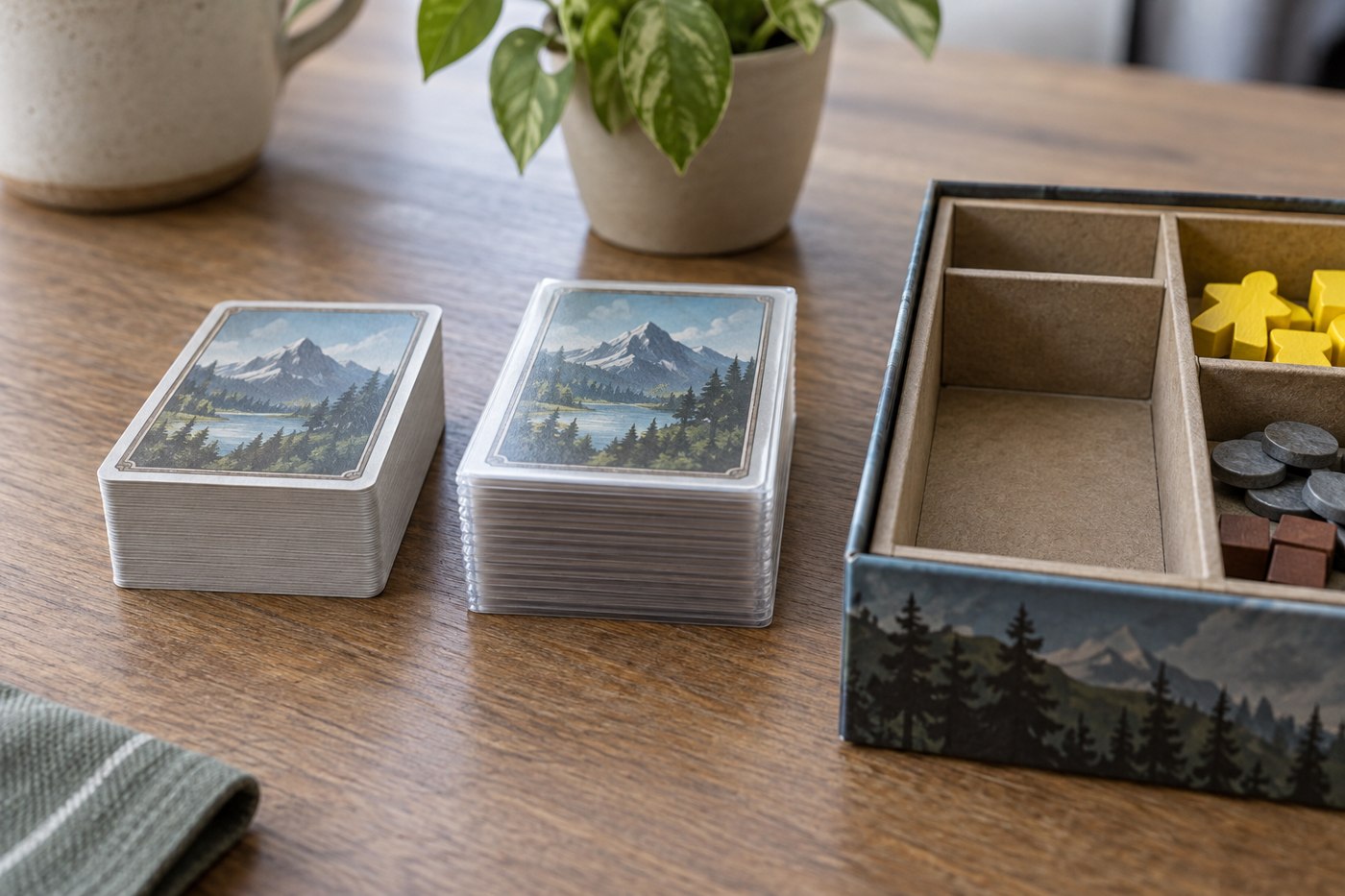
Repeat the check with the actual sleeved cards and expansions you intend to store. Testing an empty organiser or an incomplete base game tells you little about the final arrangement. If the layout works only when held perfectly still, it may not suit a shelf where boxes are regularly taken out and returned.
Leave room for removal
A tightly compressed row can make it difficult to pull out a box without rubbing its edges against its neighbours. Allow enough space to grip the intended box securely. Avoid pulling by a loose lid alone, particularly if the base is heavy.
Arrange the shelf so heavy games can be handled comfortably. Follow the shelving manufacturer’s loading and securing instructions; the fact that several boxes fit in a compartment does not establish that the shelf can support their combined weight. Keep the display decision separate from the furniture’s requirements.
Accept a mixed storage approach
Some games may be better kept flat because of their box condition, inserts or components. A mixed shelf is not a failure of organisation. Grouping those exceptions deliberately can be more practical than buying new packaging for every box solely to maintain one visual arrangement.
After a few sessions, inspect edges and internal compartments again. Regular use can reveal problems that a single careful rotation missed. Adjust the arrangement when pieces repeatedly escape or a box becomes difficult to retrieve.