Measure the usable space
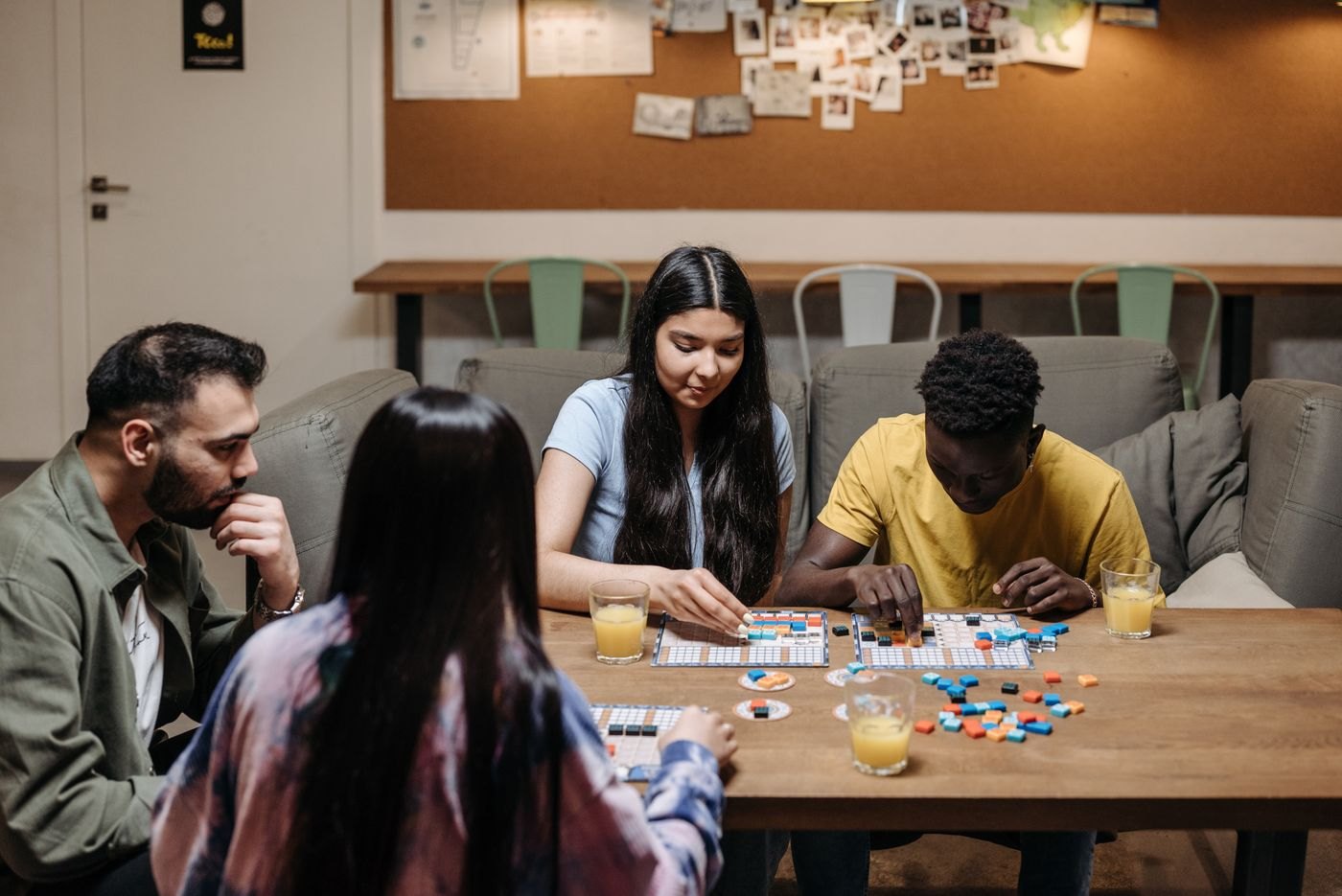
Measure the clear tabletop after allowing for its shape, seating and anything that must stay on it. A round table's widest dimension does not describe the rectangular area available for a board. Leave space at the edges for hands, cards and ordinary movement rather than using every centimetre as component storage.
Consider reach as well as width. A shared display may technically fit at the far end but remain difficult for some players to read or access. Plan where the rulebook and shared supplies will sit. Drinks are better on a separate surface when possible, especially if the board already fills the centre.
Inspect a late-game position
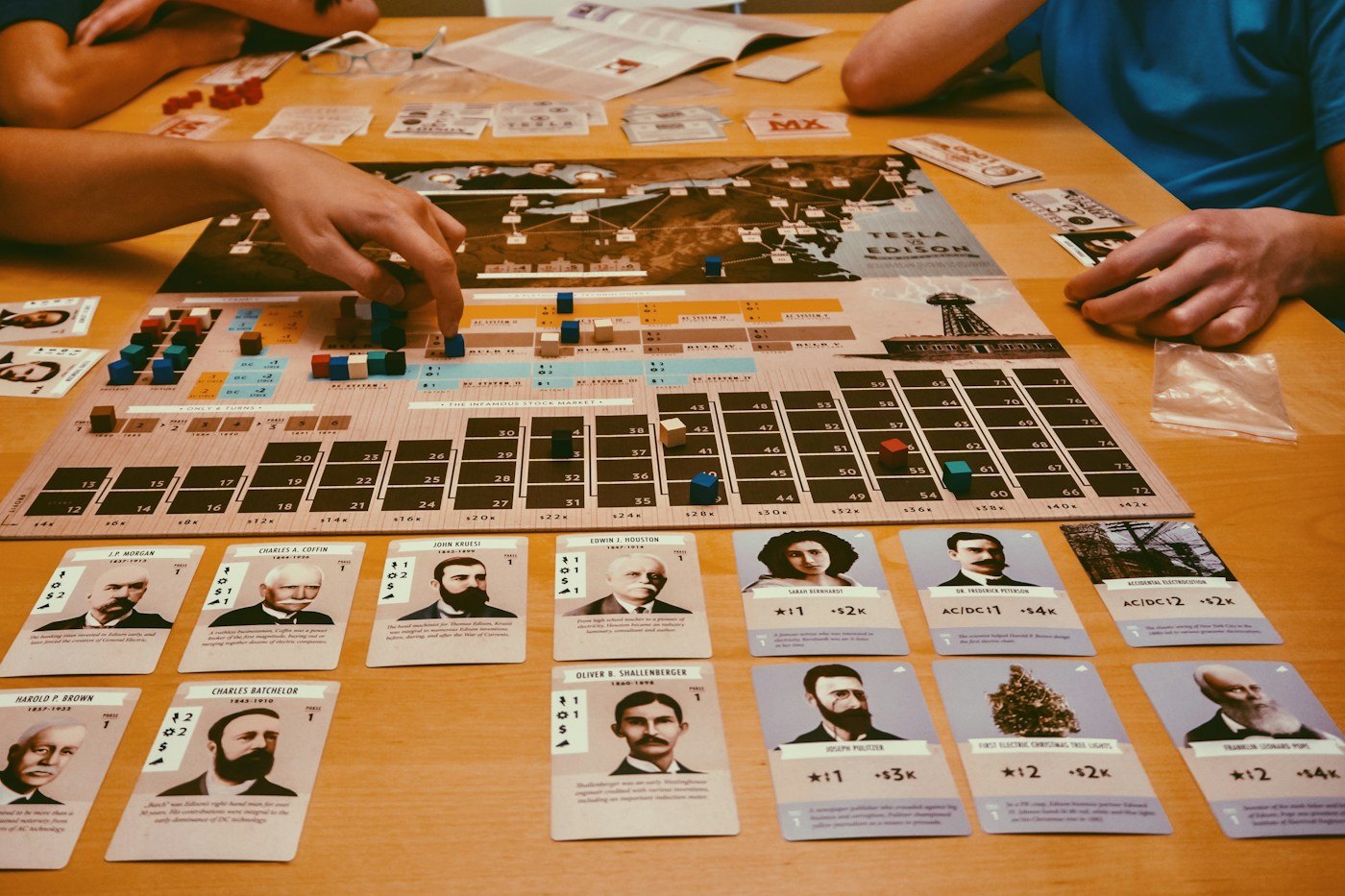
Look at publisher photographs or a rules demonstration showing play in progress. Count each player's growing display, not just the starting cards. Tableau games can expand substantially as players acquire cards. A row that begins with two cards may eventually need several times that space.
Read whether cards may overlap and which information must remain visible. Do not assume you can compress the layout by covering text or icons. If a player's area tracks relationships between cards, rearranging them into a compact pile may make the game harder to operate or change its state.
Make a paper rehearsal
Use paper cut to the board and player-area dimensions, or place similarly sized objects on the table. Include the intended number of players. Sit in the actual seats and check sightlines. This simple rehearsal is more informative than holding the unopened box against the table edge.
If dimensions are unavailable, ask the publisher or seller for the board size and inspect the likely card spread. Treat any estimate as uncertain. A game that barely fits on paper may still feel cramped once people need to draw cards, roll dice and keep personal items nearby.
Decide what can move off the main table
Unused packaging and reference books can go on a side surface. Shared components can sometimes occupy small trays, provided everyone can reach them and the game does not require their spatial arrangement. Do not relocate active boards so far away that one player becomes the permanent operator for everybody else.
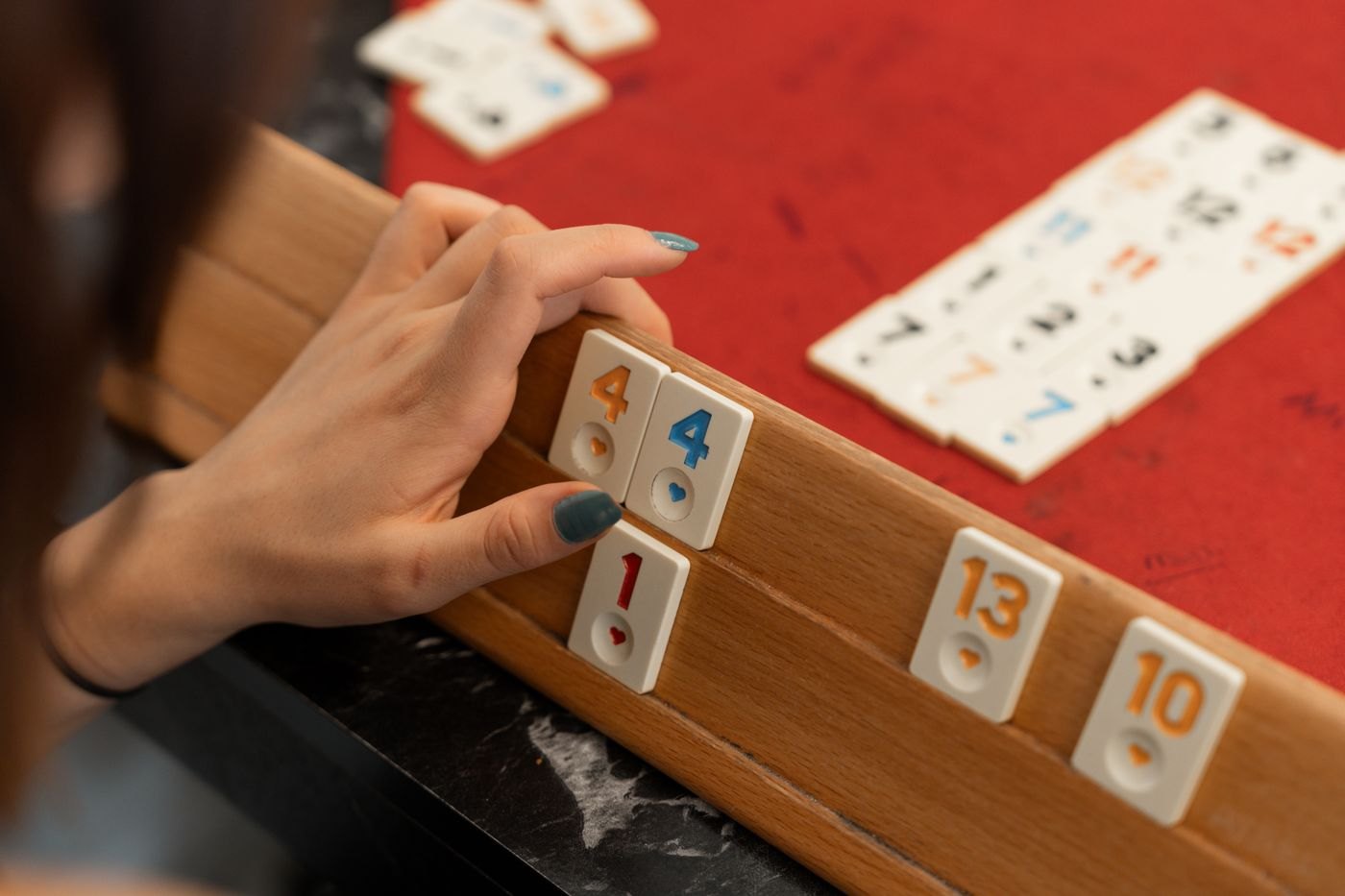
Include the space used when a player lifts or fans their hand. A layout that fits only while every card lies perfectly still is not comfortable in practice. Also leave a place to put an open rulebook during learning, even if it will move away once the game becomes familiar.