Separate preparation from play
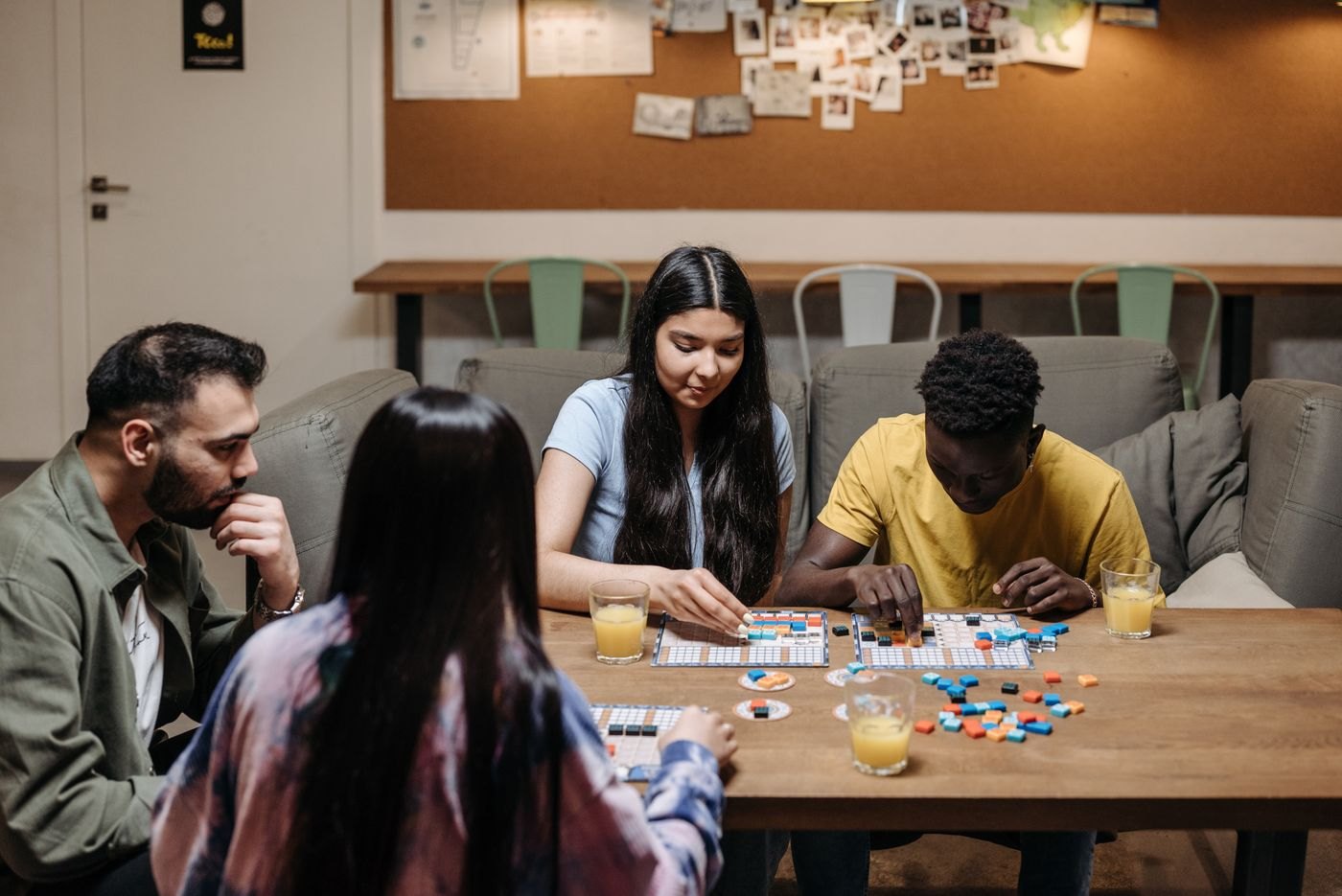
Look at how many decks must be sorted, how much table space must be cleared and whether each player needs an individual board. If the host can prepare before guests arrive, that work may not reduce social time, but it still needs to happen. A compact game with many small setup decisions can take longer to prepare than its box suggests.
Allow time for the explanation and a few questions. New players may need a demonstration or an opening turn with corrections. Do not assume reading the rules aloud will be quicker than teaching them. The first session often includes learning how information is organised as well as learning what the actions do.
Look at what controls the finish
A fixed round count makes the structure predictable, although decision length still varies. A race or shared-deck end condition depends more on what players choose. Check whether the end trigger finishes the current round or ends immediately. That affects how much time remains when somebody announces that the finish is close.
Count the pauses built into normal play. Auctions, negotiations and simultaneous choices have their own rhythms. A game can have short individual turns but lengthy discussion between them. Consider whether those conversations are part of the desired experience rather than automatically treating them as wasted time.
Adjust for the actual table
Player count matters when more people means more turns, more card reading or more negotiation. Familiarity matters too: a returning group can often resolve routine effects without looking them up. Avoid using somebody else's fastest reported session as your scheduling target when your group is learning.
Leave room for breaks if the session is long. A rigid plan that depends on nobody needing water or a brief pause is unlikely to feel comfortable. If someone has a firm departure time, choose a game with an appropriate margin rather than expecting the last few rounds to happen faster.
Include the ending
Final scoring may require several categories, and some campaign games need progress recorded before packing. Components then need to return to the right bags or compartments. Cutting these steps short can make the next setup harder. Include them when deciding whether there is time for one more game.
After a session, note your group's rough duration together with player count and whether it was a first play. That local experience can help plan the next evening, but keep it as an estimate. A close game with unfamiliar powers may take longer even when the people and box are the same.
For an unfamiliar game, avoid scheduling a second substantial game immediately afterward. Keep a short familiar option available if time remains. That leaves the main session room to finish naturally and prevents the host from pressuring players to hurry merely to preserve an optimistic plan.