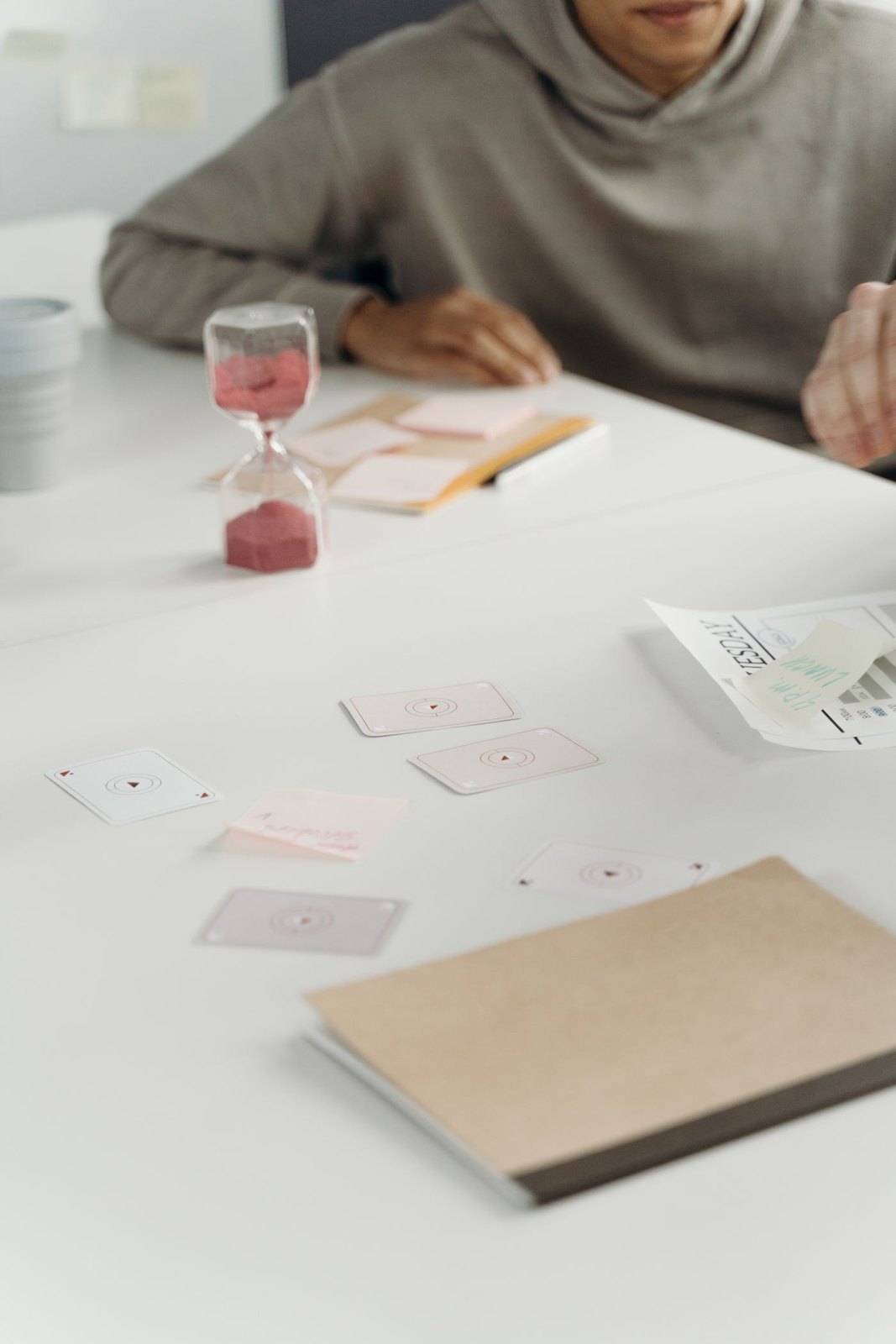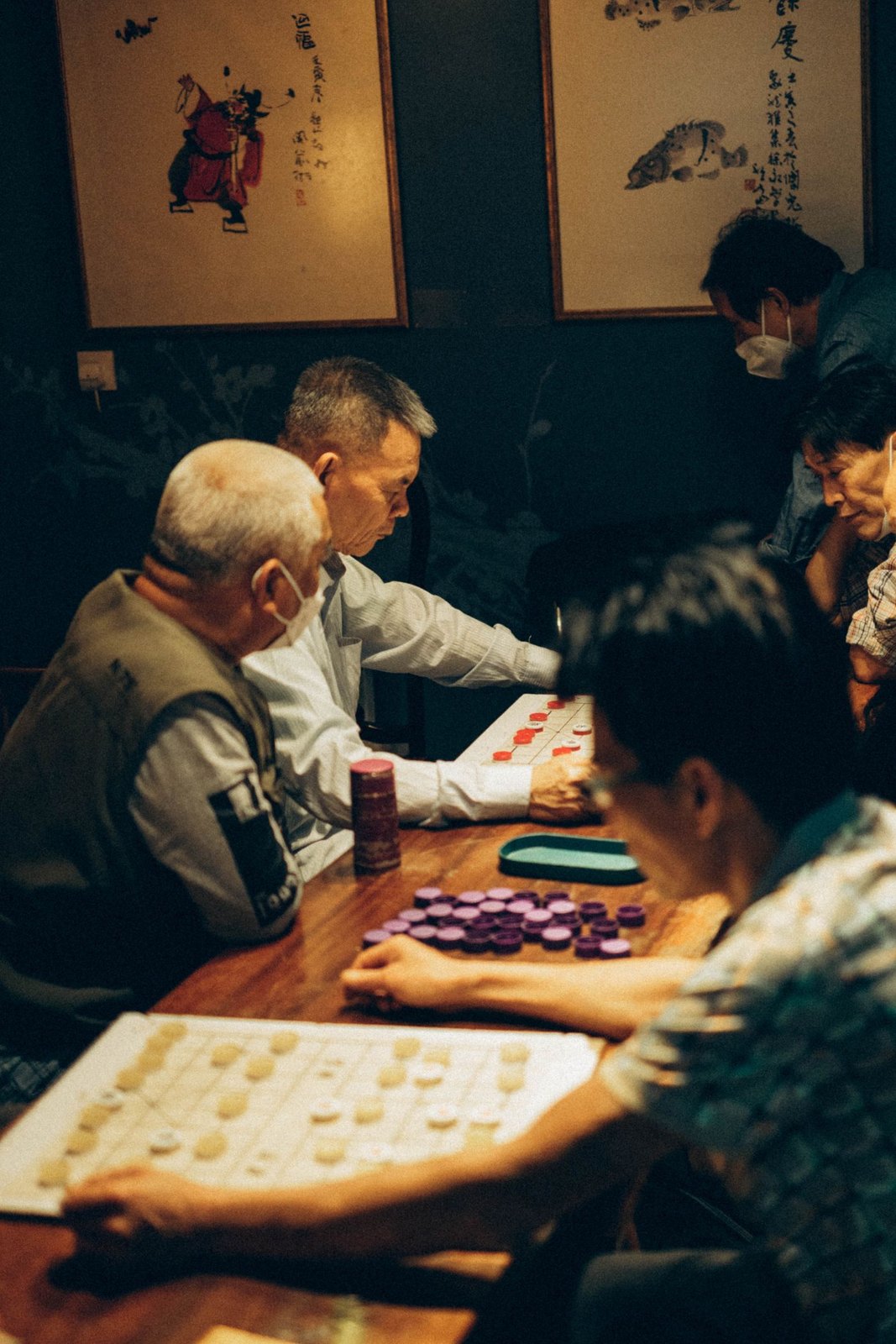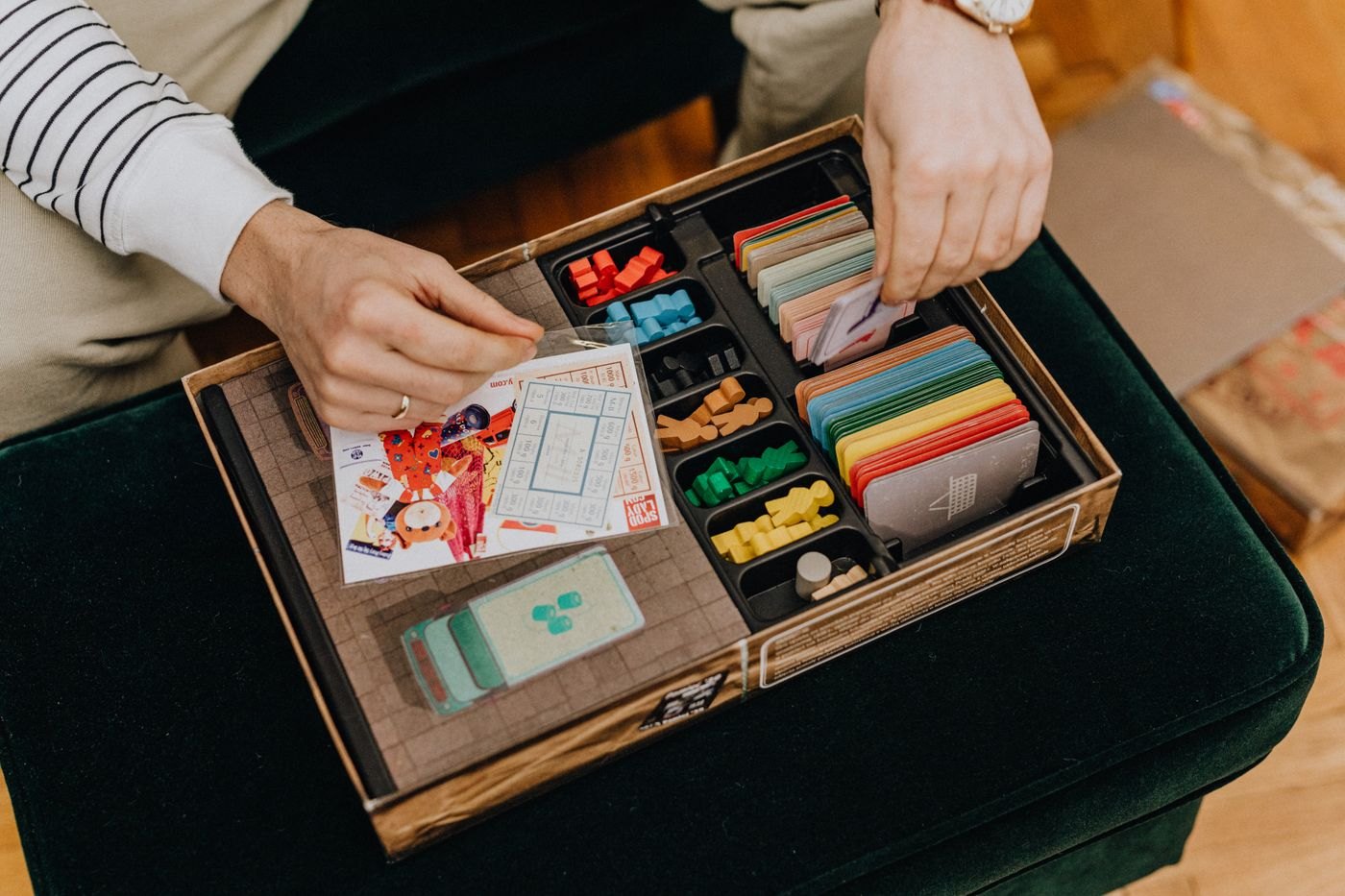
Finish scoring before collecting pieces
Leave anything needed for final scoring in place until the result is confirmed. Cards, resource totals or board positions may all matter. Ask before clearing another player's area; they may still be counting a bonus or checking a rule.
Once scoring is complete, separate personal pieces from shared supplies. Each player can gather their own colour or starting set while one person sorts the common deck and tokens. Give the box owner a chance to explain the storage arrangement instead of guessing which bag is meant for what.
Keep the outgoing game together
Place all of its components on one clear part of the table and close its bags before unpacking the next game. Similar cubes, coins or dice can migrate between boxes surprisingly easily. A small piece left beside a new board may look as though it belongs there.
Check under player boards, inside card racks and beside chairs. Count distinctive or limited components if the game makes them easy to verify. You do not need a full inventory after every play, but noticing a missing starting piece now is better than finding it halfway through the next setup.
If somebody finds an unfamiliar component, set it aside and identify it before closing either box. Comparing it with the component list is quicker than discovering next week that it travelled home with the wrong game.
Restore the playing surface
Remove rubbish and dishes, wipe any crumbs or damp marks, and let the surface dry before putting cards down. Check that drinks have not slowly moved back into the shared play area. Reposition chairs for the next game's layout rather than forcing its board into the previous arrangement.
Confirm the next player count and whether anybody needs a break. Then open the new game and follow its setup in order. A brief pause between boxes gives people a chance to change seats, check the time or say they are ready to finish.