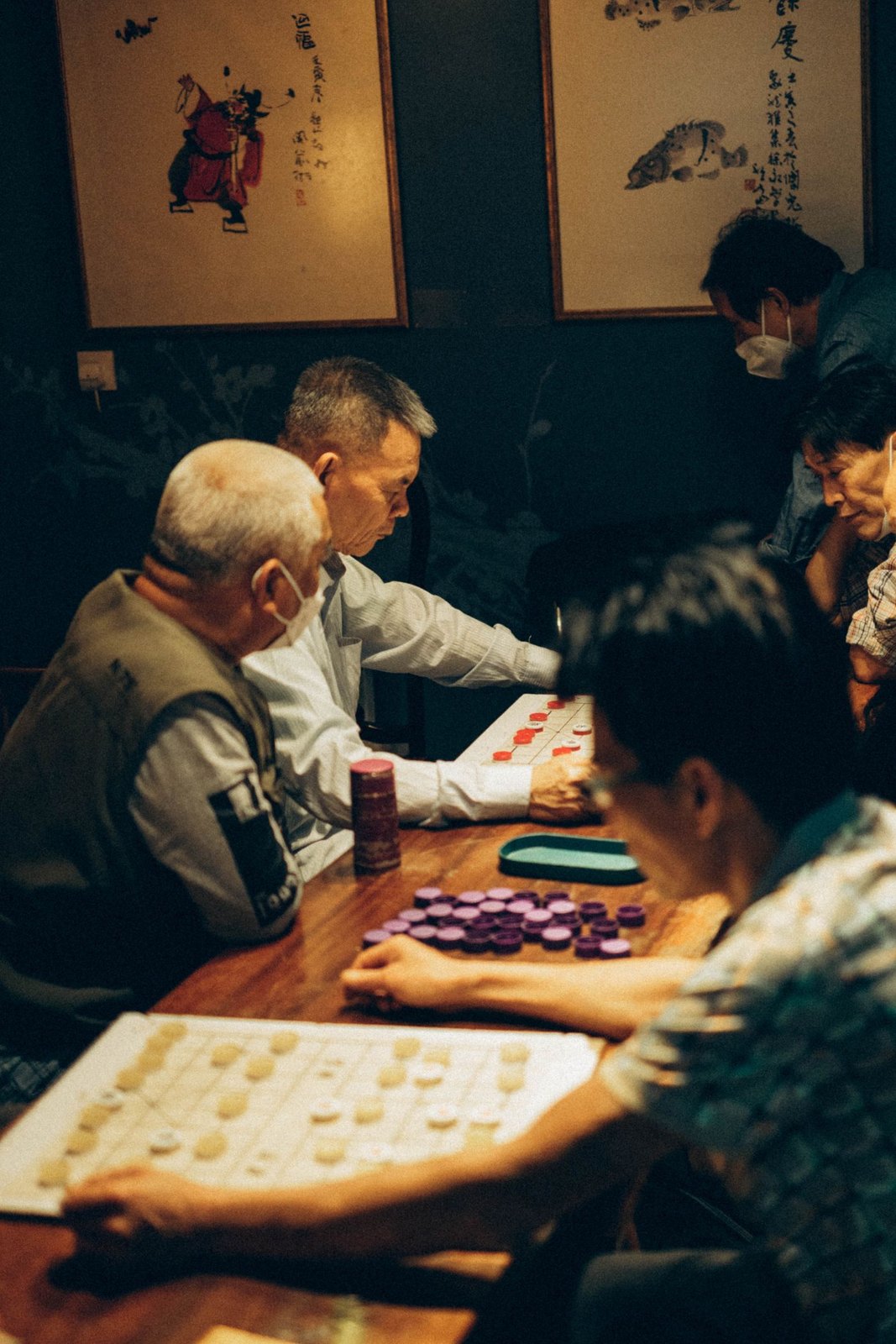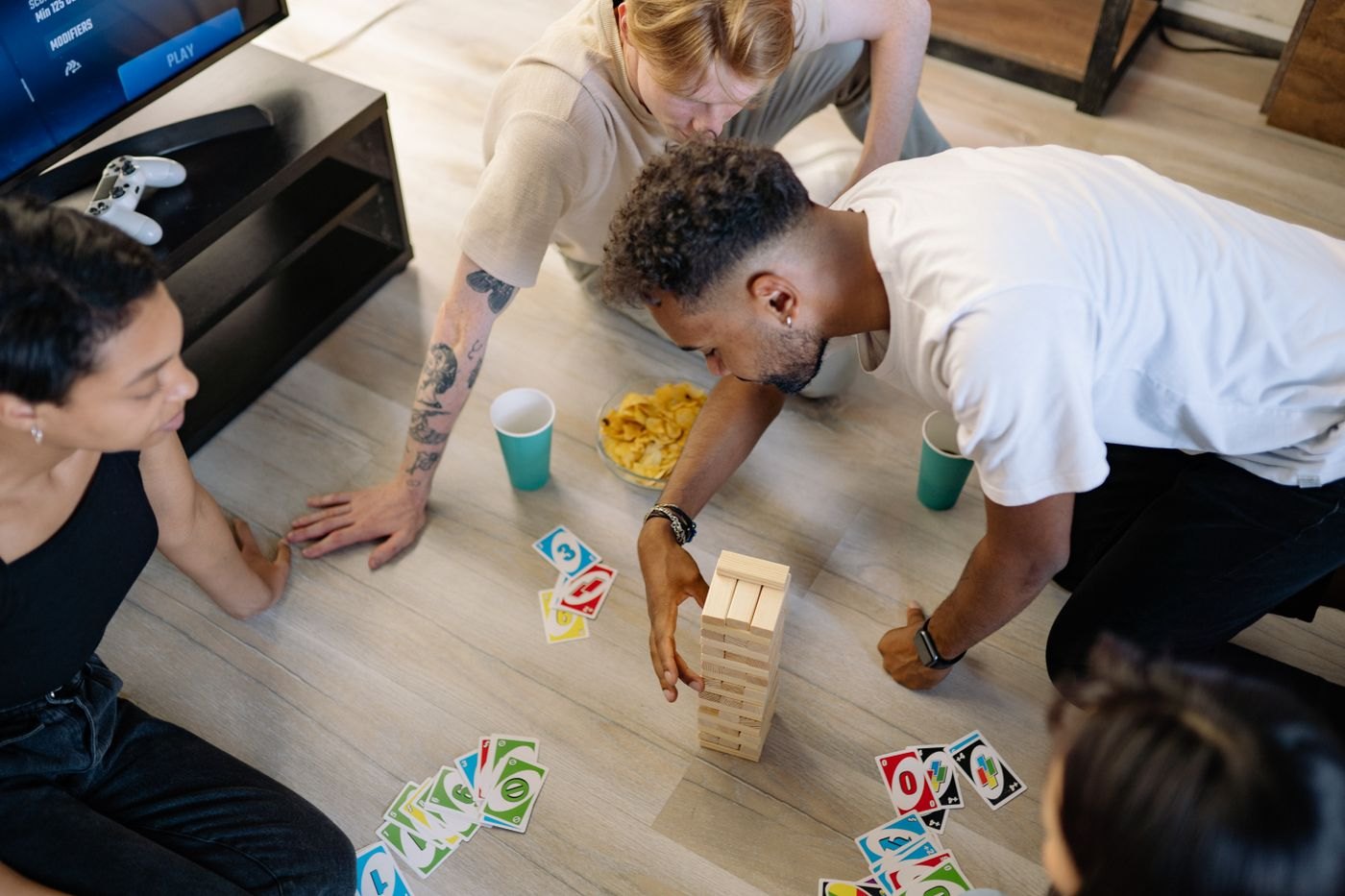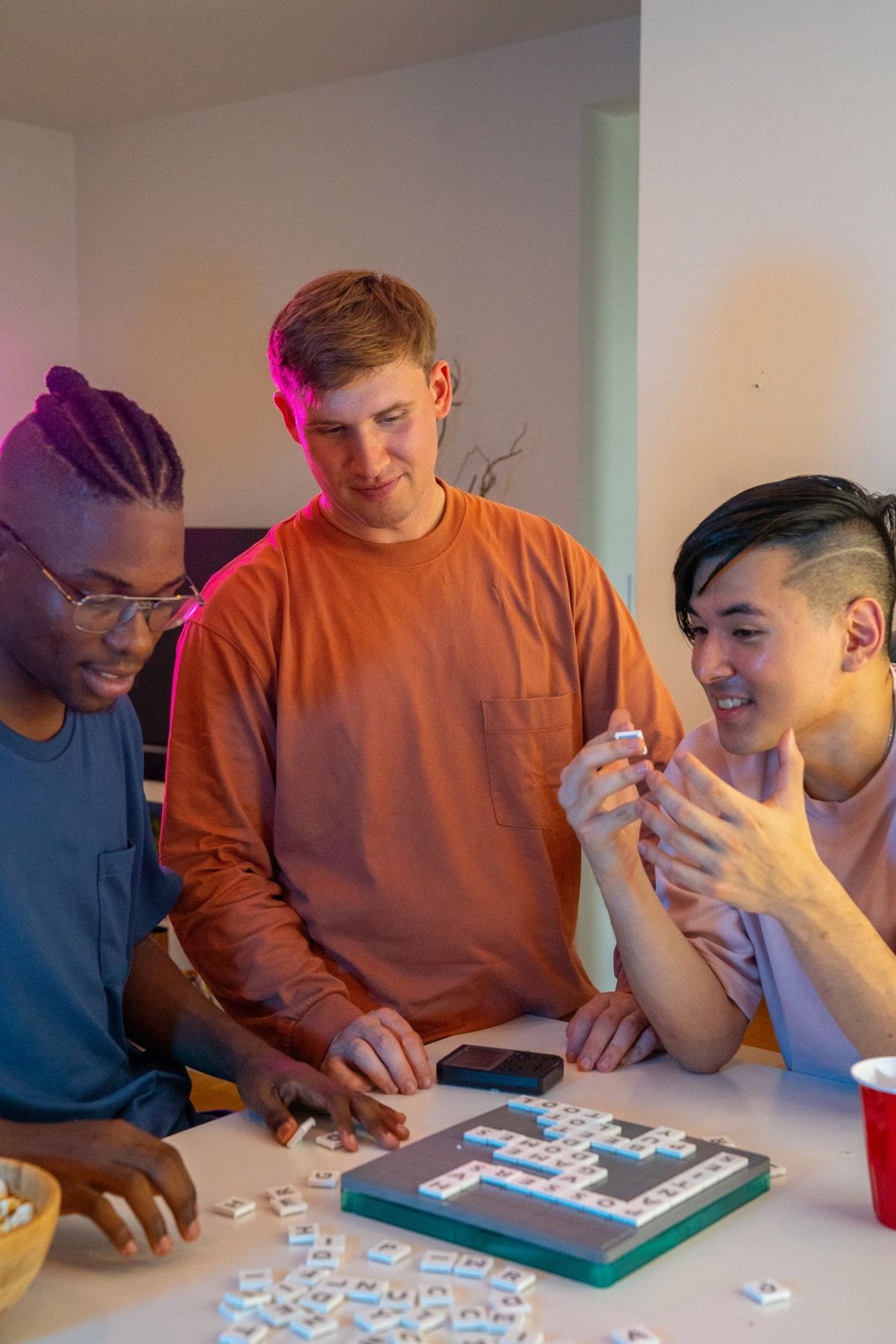
Ask about familiarity rather than labels
Calling people beginners or experts can conceal more than it explains. Someone who plays card games every week may understand trick-taking immediately but find a large resource board unfamiliar. Another player may know a complex cooperative game yet dislike negotiation. Ask what they have played, what they enjoyed and whether they would like to learn something new tonight.
Use those answers to choose the type of explanation. Explain unfamiliar mechanisms with a visible example, and do not spend ten minutes defining terms everyone already uses. Equally, do not skip the objective because several people know the title. A returning player may remember the theme but not the end condition, particularly if the group last played a different edition or expansion.
Choose a manageable first session
Look for a game whose full basic rules can be explained before important decisions begin. A first session becomes frustrating when a newcomer repeatedly discovers that an action was technically legal but disastrous for an undisclosed reason. Avoid an expansion that adds exceptions solely because experienced players want novelty. The base game may provide plenty of interest through the new combination of people.
Experience gaps matter differently in different games. Direct conflict may expose a new player's position immediately, while hidden objectives can make teaching awkward. Cooperative play can help, but only if experienced players resist taking every decision. Consider how the group reacts to mistakes and interaction, not simply which title has the lowest rules rating.
Explain choices without prescribing moves
During teaching, distinguish the rule from a strategic observation. Saying that a resource can pay for buildings explains a function; saying which building everyone should buy replaces part of the game. Offer one example of a plausible plan and show how the rules support it, then leave room for alternatives. Make clear when an example is merely illustrative.
If a newcomer asks for help during play, ask whether they want a rule explanation or suggestions. Describe two legal options and their immediate consequences instead of announcing the best move. Where hidden information matters, help them privately only in a way the game's communication rules permit. At a competitive table, unsolicited advice from several opponents can feel both confusing and self-serving.
Agree on mistakes before they happen
A learning game can allow takebacks before new information appears, if everybody agrees and the game permits the arrangement. Define the boundary concretely. Correcting a payment before the next action is different from reversing a choice after seeing a newly drawn card. Apply the same approach to returning players, rather than turning help into a special status that marks out newcomers.
Tell the table how you will handle a missed rule. A quick repair may be possible when the state is clear; otherwise it may be fairer to apply the rule from that point onward. Do not quietly change scoring to give one person a better result. Explaining a correction openly protects trust and helps everyone learn the actual game.
Give returning players a useful role
Ask experienced guests to help with setup, find the relevant rulebook page or demonstrate an action when invited. These jobs use their knowledge without making them second teachers who contradict the main explanation. If somebody notices an omission, they can raise it at a pause. Competing explanations with different terminology make an already unfamiliar game harder to follow.
During play, returning players can narrate public actions briefly: which action they chose, what they paid and what they gained. They need not reveal hidden plans. This gives newcomers more examples of the rules in use. Keep the narration factual; a running lecture about everyone's strategic errors quickly changes a social game into an examination.
Judge the evening by participation
Watch whether everyone can take a turn without repeated uncertainty, ask questions comfortably and understand why the game ended. Winning is not the only useful measure of a first play. A newcomer who loses but wants an immediate rematch may have had a much better evening than one who won through constant instructions.
At the end, ask what felt unclear and whether people want the same game again or a different pace. A replay often rewards newly acquired understanding, while switching games introduces another teach. Let the people doing the learning have a real say. Avoid turning the result into a discussion of who should have played more cleverly unless the whole table welcomes that conversation.