Distinguish rules reading from play reading
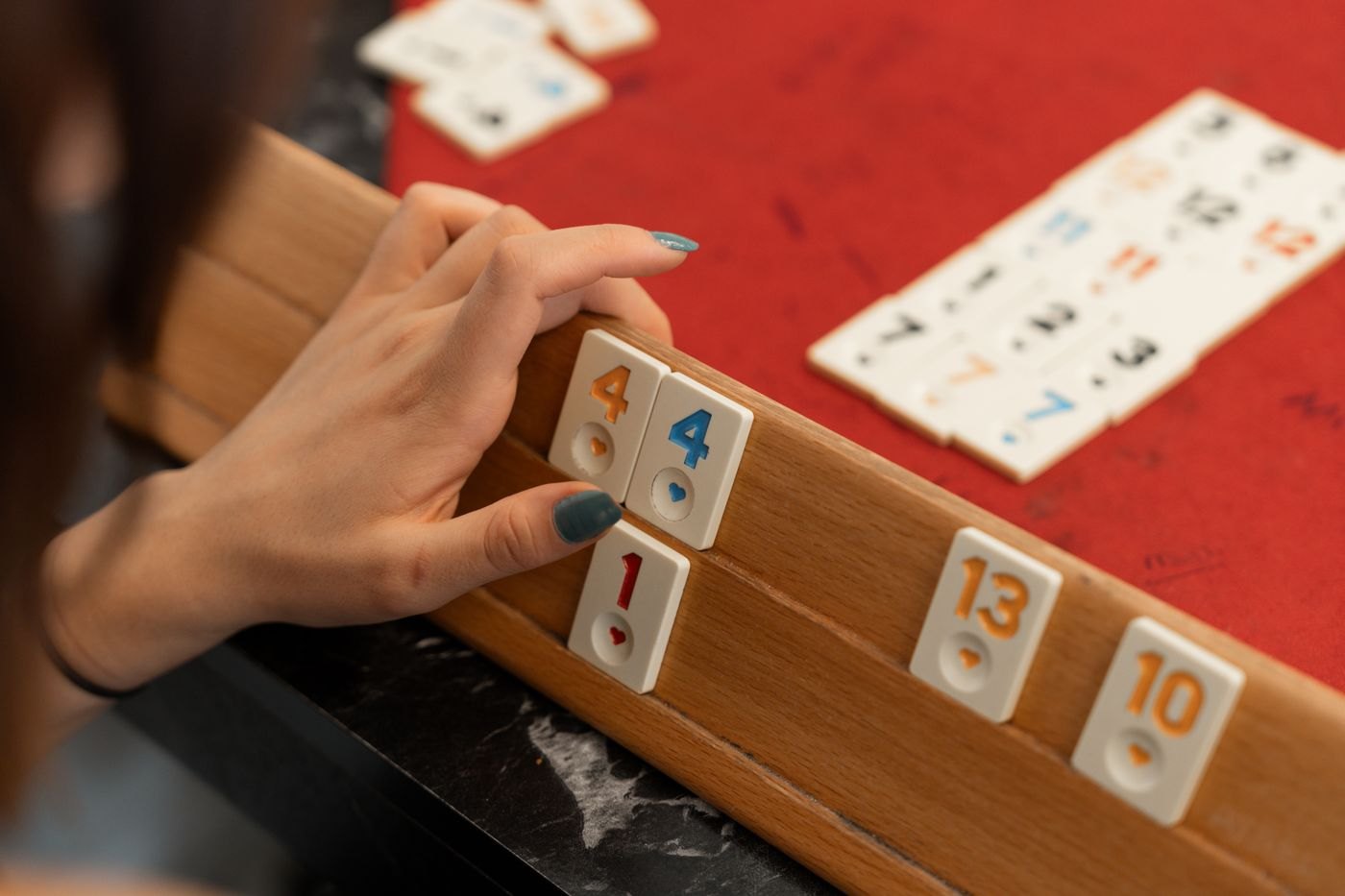
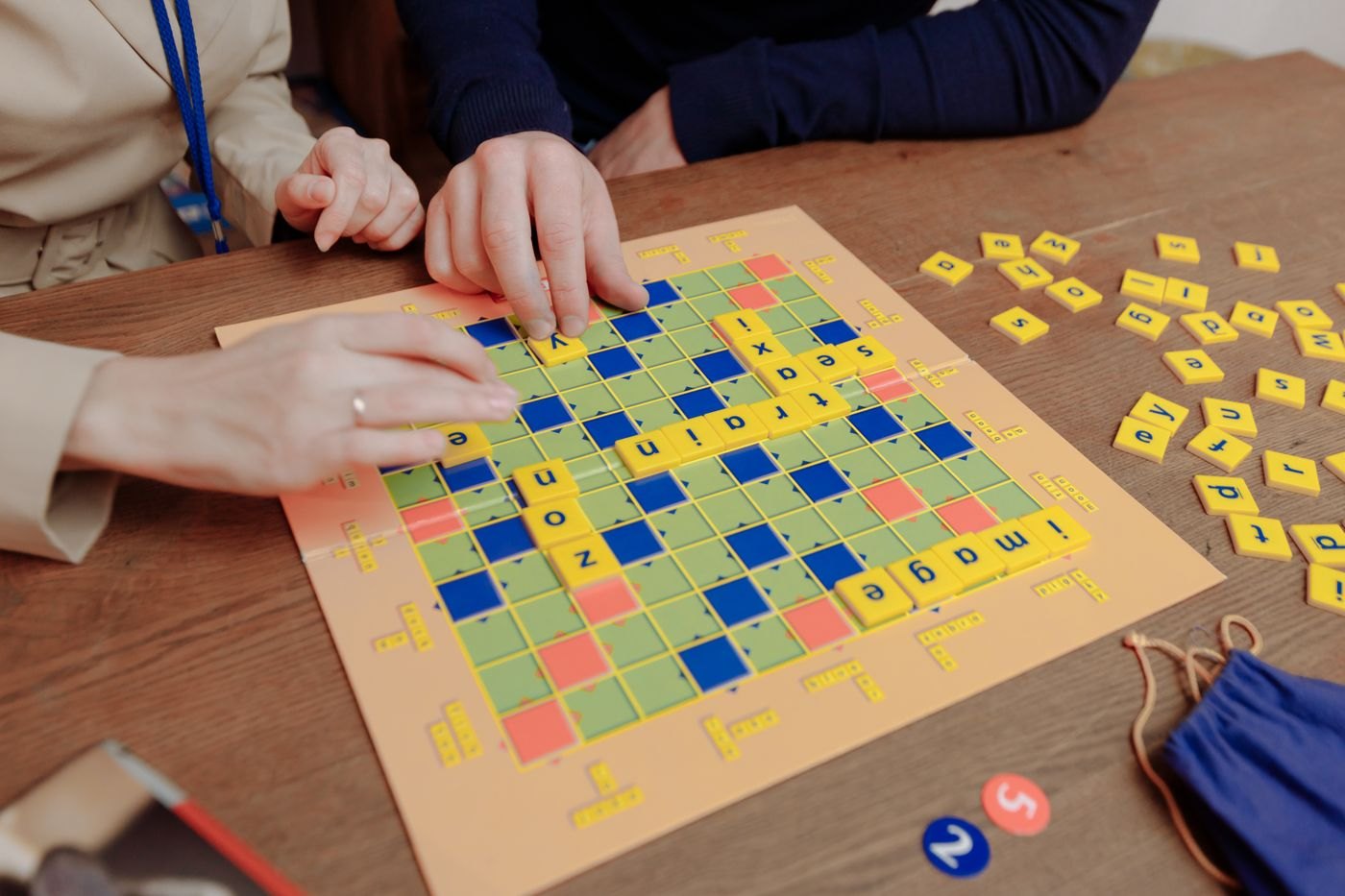
One person can explain a rulebook aloud, but that does not solve text encountered privately during play. Examine actual cards and boards. A game with a substantial rulebook may use only numbers and familiar symbols once play begins. Another may introduce a fresh paragraph on every card drawn.
Count how much reading is repeated. Repeated labels become familiar quickly, while unique conditional effects keep adding work. Notice whether the text includes several clauses, exceptions or references to other cards. Short text is not always simple text if it relies on specialised terms.
Look at timing and privacy
A public card read between turns is different from a secret card chosen under a timer. Ask whether a player can request help without revealing their plan or losing time. A game may be suitable with patient shared reading but frustrating when the intended pace requires immediate understanding.
For children or less fluent readers, discuss the help they want before starting. Reading a card aloud can support participation; explaining the best move at the same time can take the decision away. Separate the meaning of the text from advice about what to do with it. Let the player remain responsible for the choice.
Inspect the physical presentation
Check font size, contrast and the amount of text on a typical component. A large card can still use small lettering around detailed artwork. Read it from the intended seat under ordinary room lighting. Glossy sleeves and overhead lights may introduce glare even when a digital product image looks crisp.
Icons can help, but they require a readable key and consistent usage. A dense line of unfamiliar symbols may be harder to decode than a plain sentence. Look for redundancy, such as a resource shown by both a shape and a colour. That can make identification easier without depending on one visual feature.
Try a representative card
Choose an ordinary component and one of the more complicated examples available in the publisher's materials. Ask the prospective player to explain what they would do, without turning it into a test they must pass. Observe where clarification is needed: vocabulary, sentence structure, symbol recognition or the underlying rule.
Use that information to choose a suitable game or a reasonable support method. A shared reference sheet, slower opening round or designated reader may be enough. If every secret choice requires intervention, consider a game with more open information for the current group. The aim is comfortable participation, not proving readiness for a particular box.
Reassess after actual play
After the first session, ask whether the reading was enjoyable, manageable or tiring. A player may perform accurately while finding the effort exhausting. Do not assume silence means the demands were comfortable. Their experience is more useful than comparing them with another person's reading speed.
Keep the game's other demands in view. Turn waiting, memory and calculation can compound reading work. A slightly more text-heavy game with plenty of thinking time may fit better than a sparse but frantic one. Choose the complete activity rather than a single number printed on the packaging.