Check the box together
Confirm that the rulebook, main boards, decks and component bags are present. For a game with many pieces, use its component list rather than counting from memory. Note any existing damage or known missing part so neither person has to reconstruct what happened later.
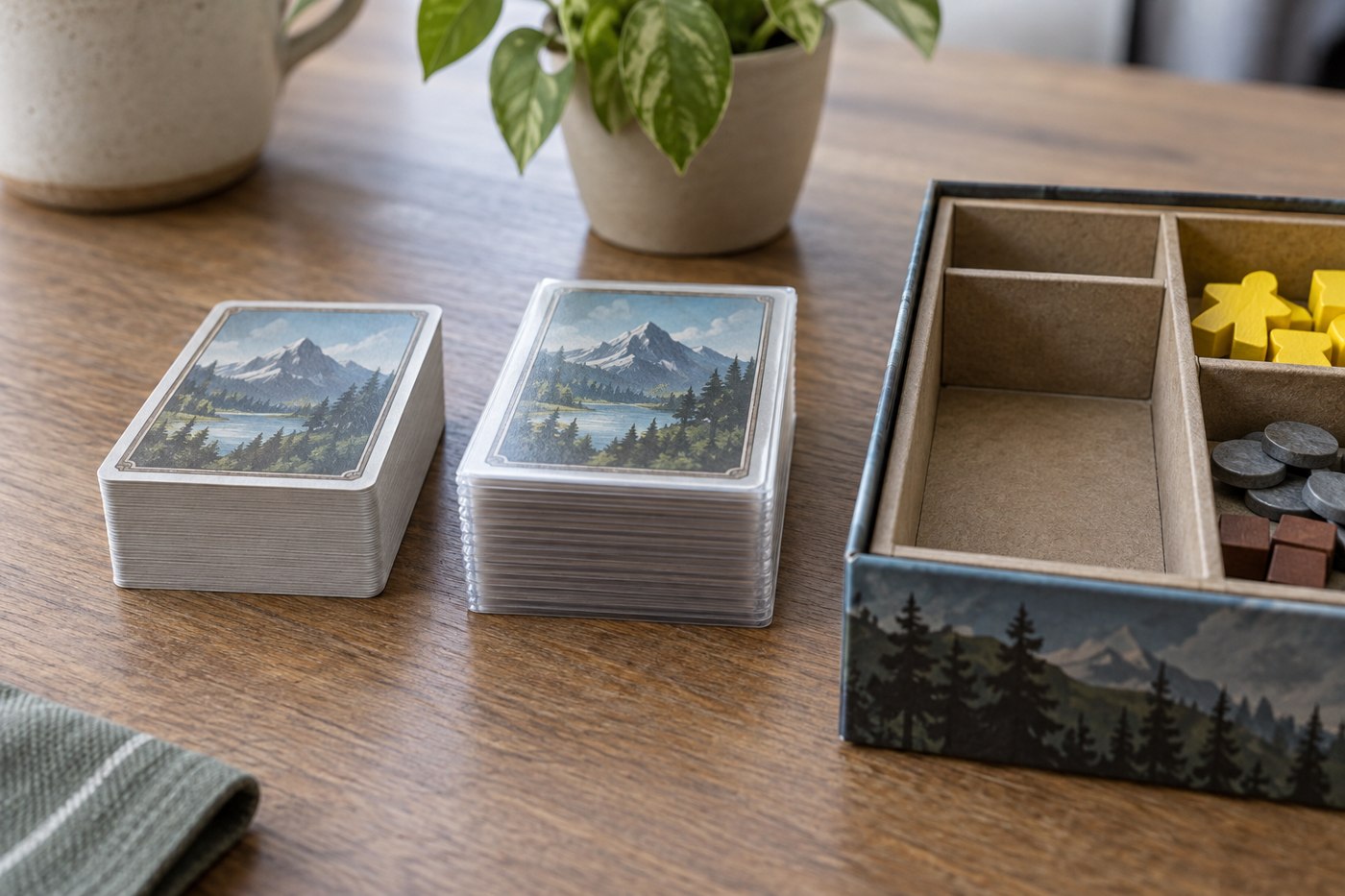
Take a simple photograph of the packed box if its arrangement is complicated. Show which trays come out first and whether the lid needs a particular packing order. The photograph is a packing aid, not a substitute for checking that important components are included.
Explain the version being lent
Tell the borrower which expansions or optional modules are in the box. Keep material they will not use separate and clearly labelled. If a game has campaign progress or hidden content, explain which containers should remain closed without describing the spoilers inside.
Point them to the correct rulebook for the edition. A link to an official rules PDF can help if the printed booklet is awkward to share at the table. Avoid offering a remembered rule summary as though it covers every detail, especially for a game you have not played recently.
Agree return and handling details
Choose a return date or an occasion when you will both be present. Mention any concrete storage concern, such as keeping the box horizontal during travel or leaving a particular deck in order. Specific instructions are easier to follow than a general request to be careful.
If a component goes missing, ask the borrower to describe it promptly. They may still be able to check the play area or transport bag. A clear conversation is more useful than discovering the gap months later when you next set up the game.
Check the return while it is easy to resolve
Look over the box soon after it comes back. Confirm the main groups are present and return any borrowed accessory that travelled with it. Keep the process proportionate to the game and the relationship; the aim is a playable box and a comfortable next loan.