Read the first-game exception first
Look for an introductory setup, recommended characters or cards excluded from the first session. Follow that arrangement before exploring optional modules. A box can contain material intended for several modes, and including everything at once may create a game the rules never describe.
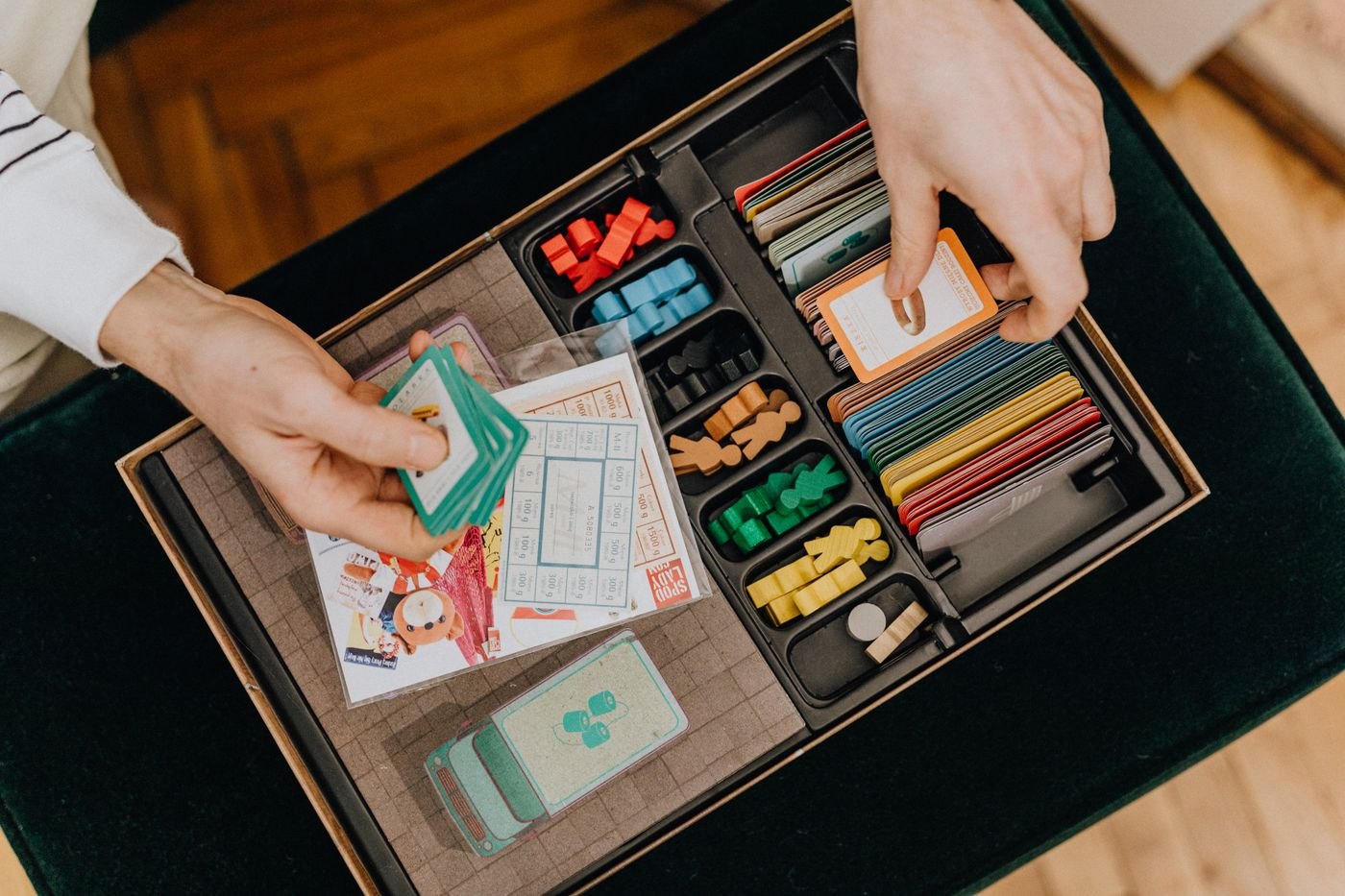
Keep unused components physically separate. A small pile beside the draw deck is too easy to mistake for part of it. Return excluded cards to a labelled bag or another compartment in the box. If an expansion is already stored with the base game, identify its marks before shuffling rather than trying to remove it after hands are dealt.
Check every player-count adjustment
Read setup for the number of people actually seated. The game may change deck contents, map spaces, supply sizes or starting resources. A board photograph taken during a previous session is only a reference if the count and mode match. Do not let a familiar visual layout override a written adjustment.
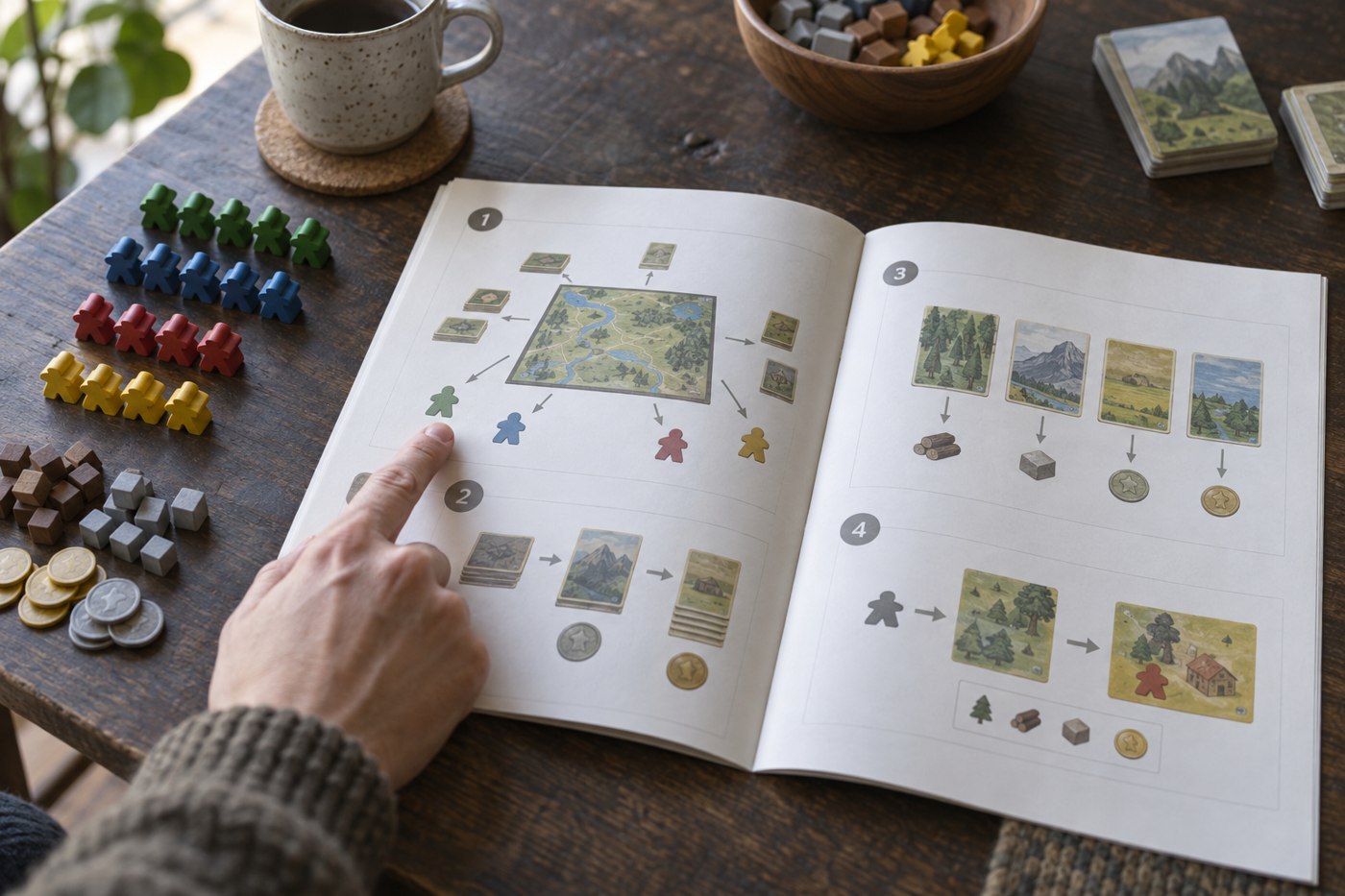
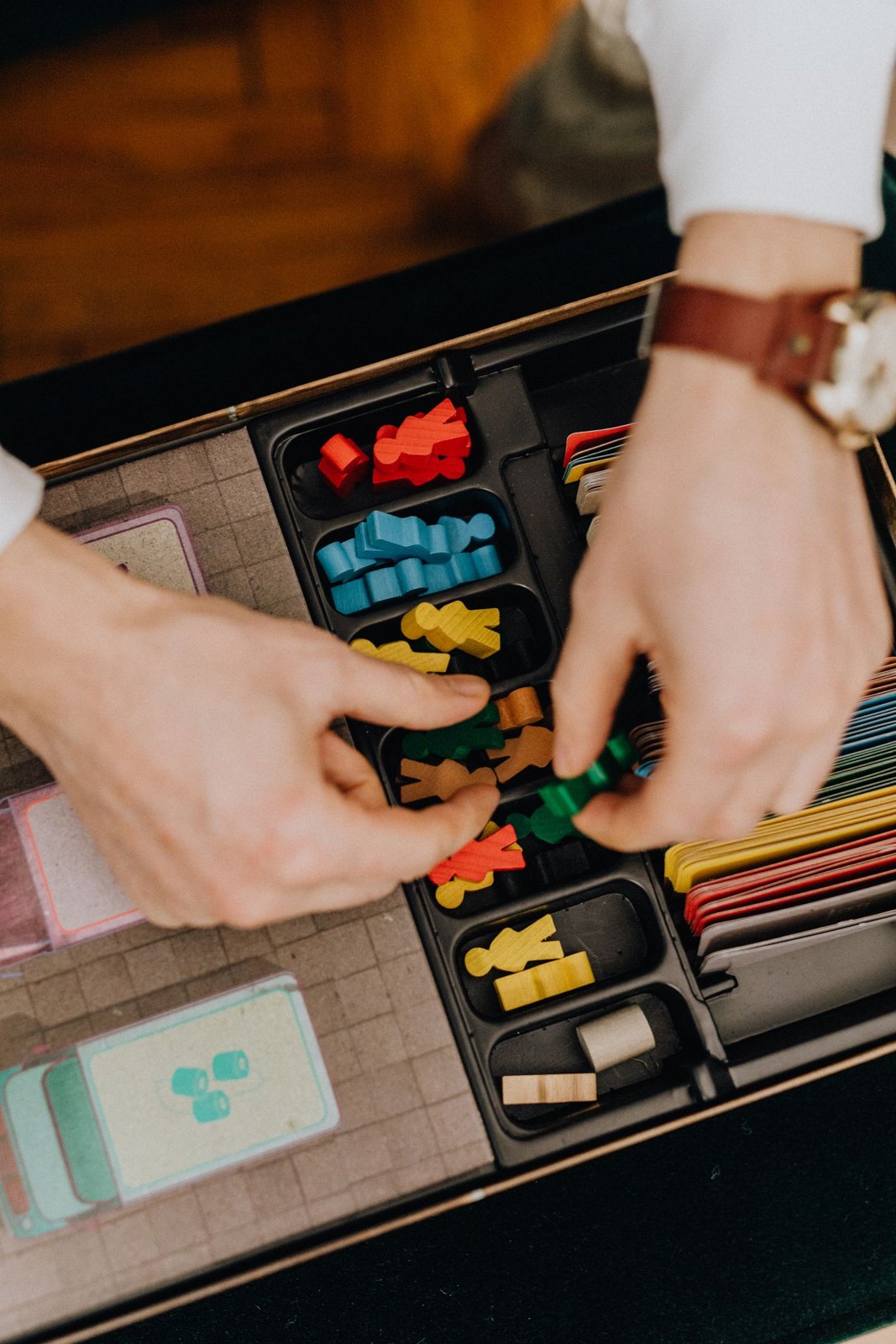
Assemble one player area from the instructions, then repeat or adapt it as required. Different characters may start with different resources, so identical piles are not always correct. Confirm who receives the first-player marker and whether later players receive compensation. That detail can disappear when cards are handed out informally.
Preserve card order until told otherwise
A new deck may be sorted for an introductory scenario or contain several sets under one wrapper. Inspect card backs and printed identifiers before shuffling. Some preparation instructions require removing cards, building tiers or inserting specific cards at certain depths. A premature shuffle can erase a useful arrangement.
After preparation, label the role of each pile mentally or on a temporary slip: draw, discard, market supply or removed cards. Place the discard where it cannot be mistaken for the draw pile. During the first few turns, announce which pile a card enters. This establishes the physical grammar of the table.
Put markers in their real starting positions
Place every required marker on its printed starting space, including tracks that begin above zero. Do not leave pieces beside the board with the intention of positioning them after the explanation. Once play starts, an unplaced marker becomes an ambiguous record of what has happened.
Check track direction and any double-sided player board. A different side may support a different mode rather than simply providing alternate artwork. Match the text and icons to the setup instructions. If the game has a round marker, use it from the start; counting rounds from memory is an unnecessary burden.
Make public and private information distinct
Deal hidden hands only after the decks are confirmed. Leave public objectives face up and private ones concealed according to the rules. A card accidentally revealed during setup may require a specific remedy; check before quietly putting it back into a known position. Information cannot be restored merely by turning a card over.
Keep shared resources between player areas rather than inside one person's layout. Set a clear location for spent or removed pieces. A token returned to the wrong area can change scarcity, ownership or scoring. These destinations deserve as much attention as the central board, even when they are not printed on it.
Pause for a final setup check
Before explaining strategy or taking the first action, compare the table with the written checklist. Count opening hand sizes, starting resources and visible market cards. Ask each player to check their own area while one person checks the shared area. This is faster than one person silently inspecting everything.
After the session, save a short note about the setup detail that caused trouble. Keep it specific: remove the marked cards at two players is more helpful than remember special rules. When the next setup goes smoothly, retain the accurate reminder but discard temporary clutter that no longer helps.