Separate functional changes from decoration
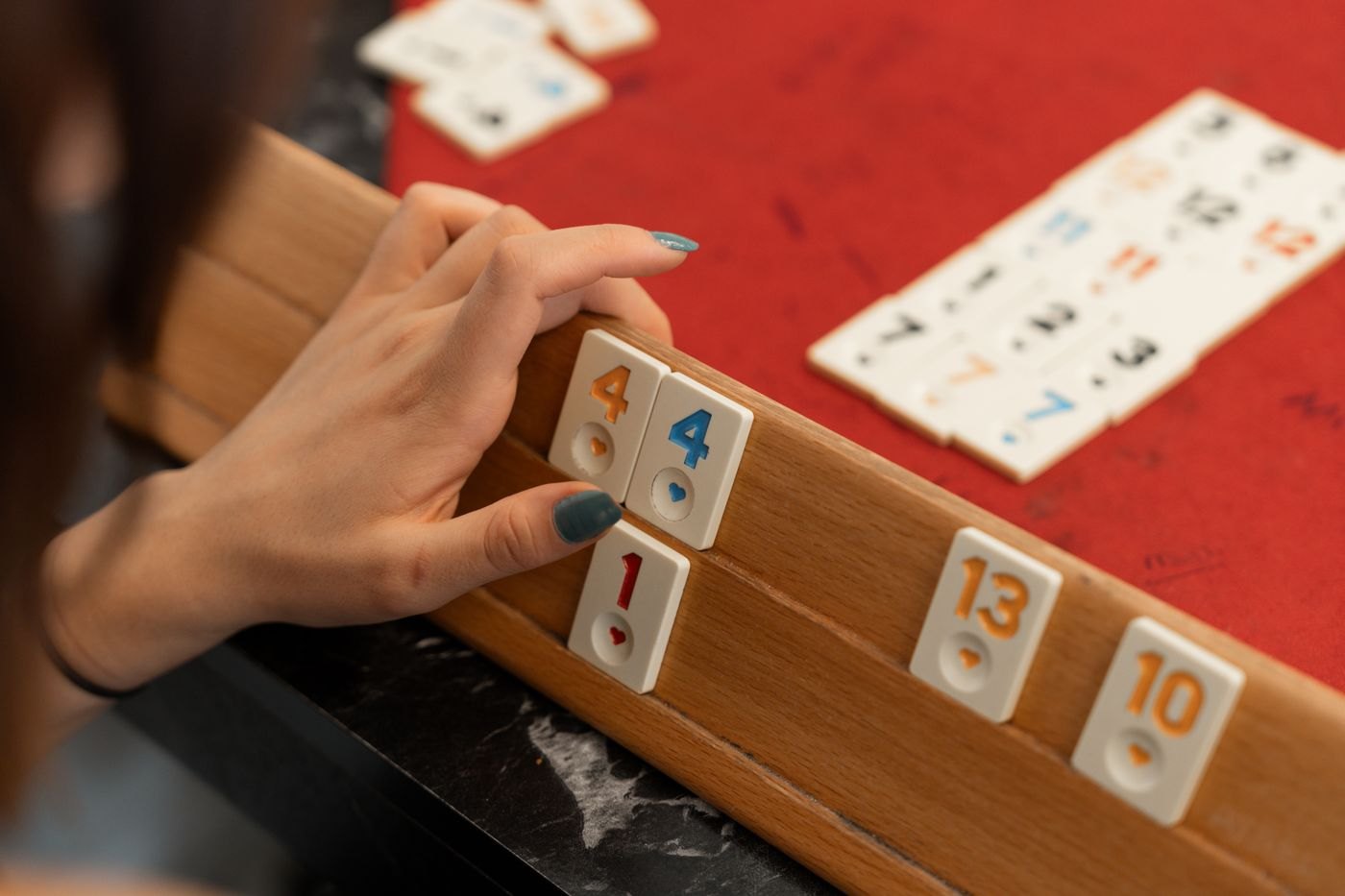
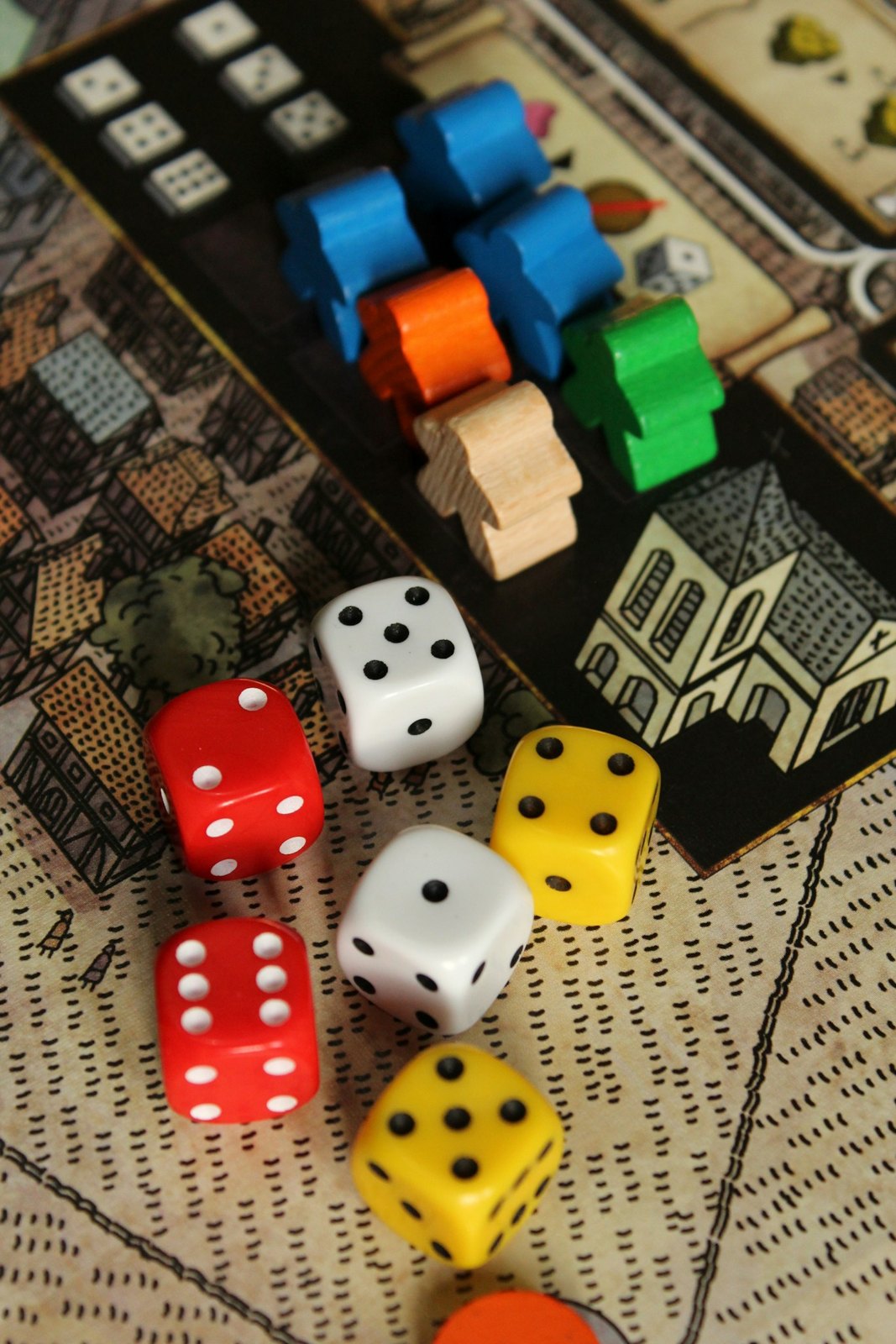
Larger text, clearer symbols or pieces that are easier to grasp may directly improve usability. Metal coins, alternate artwork and decorative miniatures may mainly change the feel or appearance. Both can be enjoyable, but they justify a purchase in different ways. Name the benefit rather than treating every extra as an improvement.
Check whether the upgraded pieces preserve the information printed on the originals. A sculpted figure can be harder to distinguish than a clearly labelled standee. A heavier token may feel pleasant but obscure an icon beneath it. Look at the component in its playing position, not only in a close-up product photograph.
Compare handling during a normal turn
Think about picking up, moving, counting and storing the pieces repeatedly. An elaborate component may slow those tasks or require more space. If a tray or organiser promises faster setup, inspect whether it follows the game's actual setup groups. A beautiful insert that requires emptying every compartment may not save much effort.
For cards and boards, consider glare and readability from seated distance. A special finish can look attractive under photography lights yet be awkward under your room lighting. Seek clear photographs of text and symbols, and try a sample when possible. The practical benefit belongs to the players using the table, not to the camera.
Check the box and travel consequences
Upgraded components may no longer fit the original insert or may increase the weight substantially. Confirm the storage arrangement and whether the lid closes normally. Do not assume a bundle includes an organiser sized for every included extra. Read the contents and dimensions carefully.
If you take games to other homes, consider transport. Heavy pieces need secure compartments so they do not strike cards or boards in transit. A larger collector's box may be less convenient to carry than a standard copy. The version you enjoy displaying may not be the version you would choose for frequent travel.
Find out whether gameplay content differs
Some special editions include additional scenarios, characters or cards; others change only production materials. Check the exact list. More gameplay content can increase learning and sorting, and exclusive material is not automatically necessary for a satisfying base game. Ask whether it serves a role you actually want.
Confirm compatibility with expansions and future accessories. Different component sizes or artwork can affect mixing, especially when hidden cards need matching backs. Avoid assuming the most expensive edition will always receive the same support as the standard one. Use the publisher's stated compatibility rather than speculation.
Compare the whole cost with likely use
Include storage, shipping and any accessories required to make the edition practical. Then consider how often the game is likely to be played. A functional upgrade for a frequently used favourite may offer more benefit than a large premium on an untried game. If the core activity is uncertain, try it before committing to elaborate production.
It is reasonable to value appearance as part of the pleasure of owning and playing a game. Make that choice openly rather than inventing a practical need. A clear distinction between useful handling changes and decorative preference makes it easier to choose the version you will enjoy without expecting every extra to transform the experience.