Agree on a natural pause
Before starting, ask whether the group would like a short break after a round or major phase. Use a point where upkeep has finished and the next action is unambiguous. Stopping halfway through a multi-step resolution makes it harder to remember which effects have already happened.
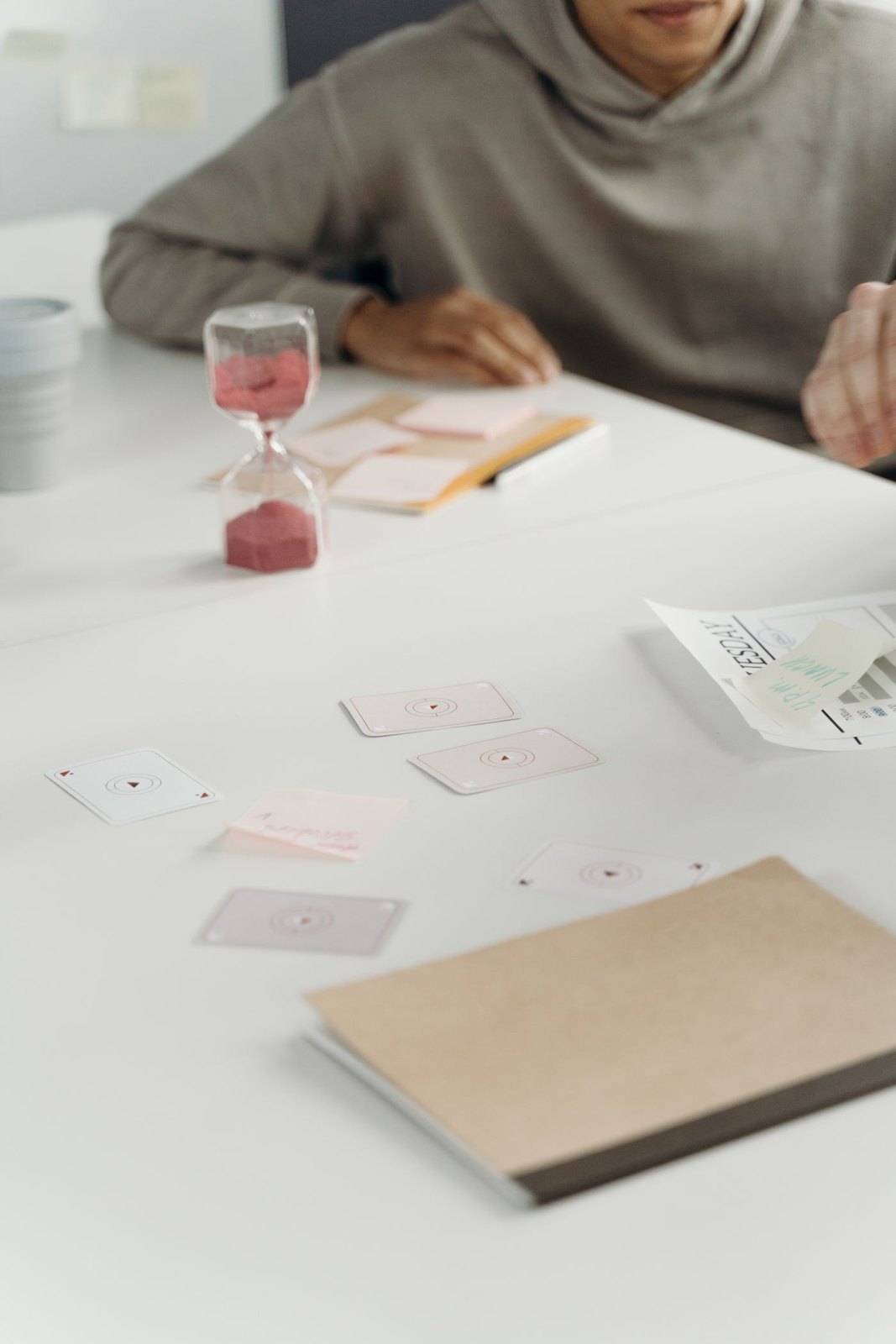
Treat the plan as flexible. Someone may need an earlier pause, and a game does not need to reach an elegant narrative moment before people can look after themselves. If stopping mid-turn is necessary, state the current step clearly and leave a marker or brief note beside the public play area.
Preserve the state
Keep hands, private objectives and hidden tokens concealed while people leave the table. A photograph of the public board can help if components might be disturbed, but check that it does not reveal private cards. Put drinks and food away from the setup and keep pets or younger children from moving loose pieces.
Agree when to return in ordinary terms, such as ten minutes, rather than saying 'a quick break' and assuming everyone means the same thing. If a person needs longer, adjust openly. Do not take extra turns while they are absent unless the rules and their prior agreement make that appropriate.
Resume with a short state check
When everyone returns, identify the round, active player and any unresolved effect. Recount only the information needed to continue. A long recap of every earlier mistake delays the restart and may reveal plans that should remain private.
Ask whether the group still has the time and energy to finish. If circumstances have changed, discuss a proper save or stop rather than treating the break as a promise to continue indefinitely. Recording the next step now is easier than reconstructing it after the room has been packed away.
Keep the return point visible while the table is unattended. A rulebook left open at the relevant phase can support the note, but avoid relying on its position alone if someone may move it.