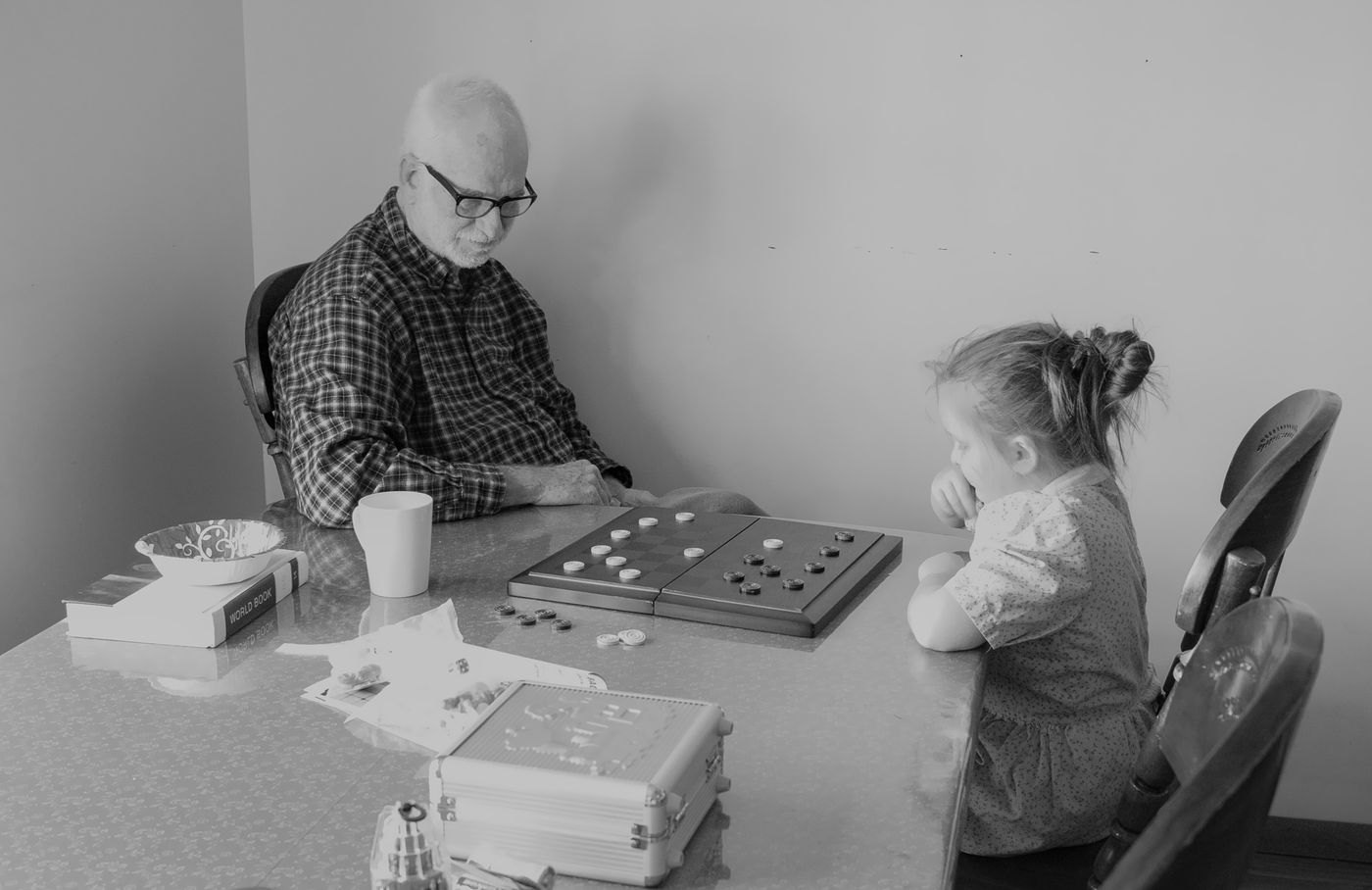
Ask how much explanation is welcome
Offer a short description of the goal and what a turn looks like. Then ask whether they want occasional explanations or prefer to watch quietly. A complete rules presentation can be overwhelming when they have not decided to play. Keep the invitation open rather than testing what they remember.
Give them a place where they can see public information without leaning over somebody’s hand. Check that their chair does not block a player’s access or a route through the room. If the table is crowded, an occasional overview may be more comfortable than squeezing in another person.
Keep private information private
A spectator should not reveal a card, react meaningfully to a hidden choice or offer information one player could not otherwise know. Explain this boundary kindly before an accidental comment occurs. In some games, even a facial reaction or pointing gesture can matter.
If they ask a question that would expose hidden information, answer generally or return to it after the game. Do not make them responsible for following a complicated secrecy system they have never been told about. The current players can help by keeping private components out of casual view.
Offer an easy next step
At the end of a round or game, ask whether they would like to join the next suitable session. Do not insert an extra player into a fixed player-count game unless its rules support that change. A short practice setup after the current game may be a better introduction.
Accept a decision to keep watching or do something else. Being included can mean having a comfortable place nearby, not becoming a player. A relaxed invitation leaves the next opportunity open without making the spectator feel that they have delayed the group.