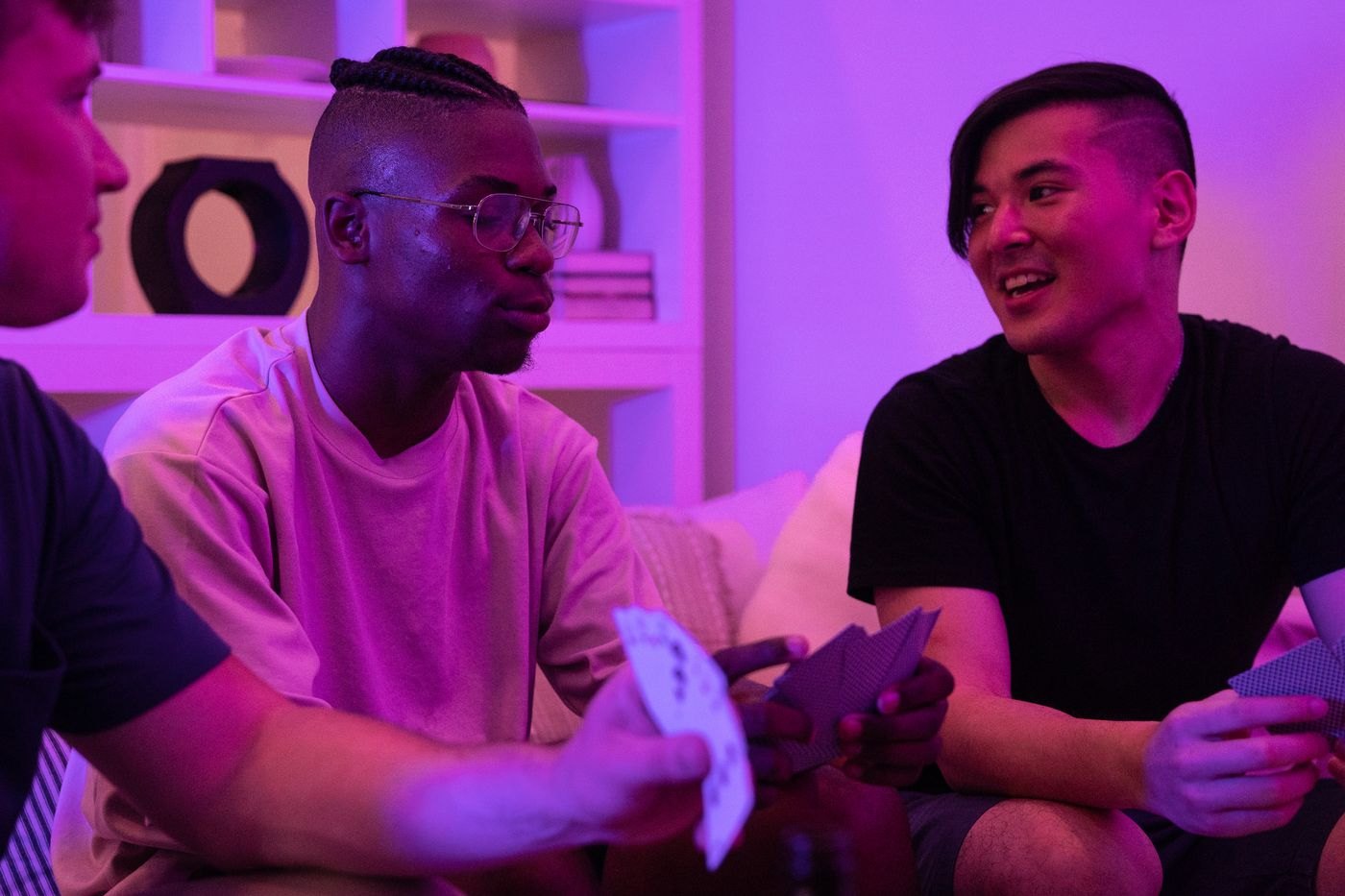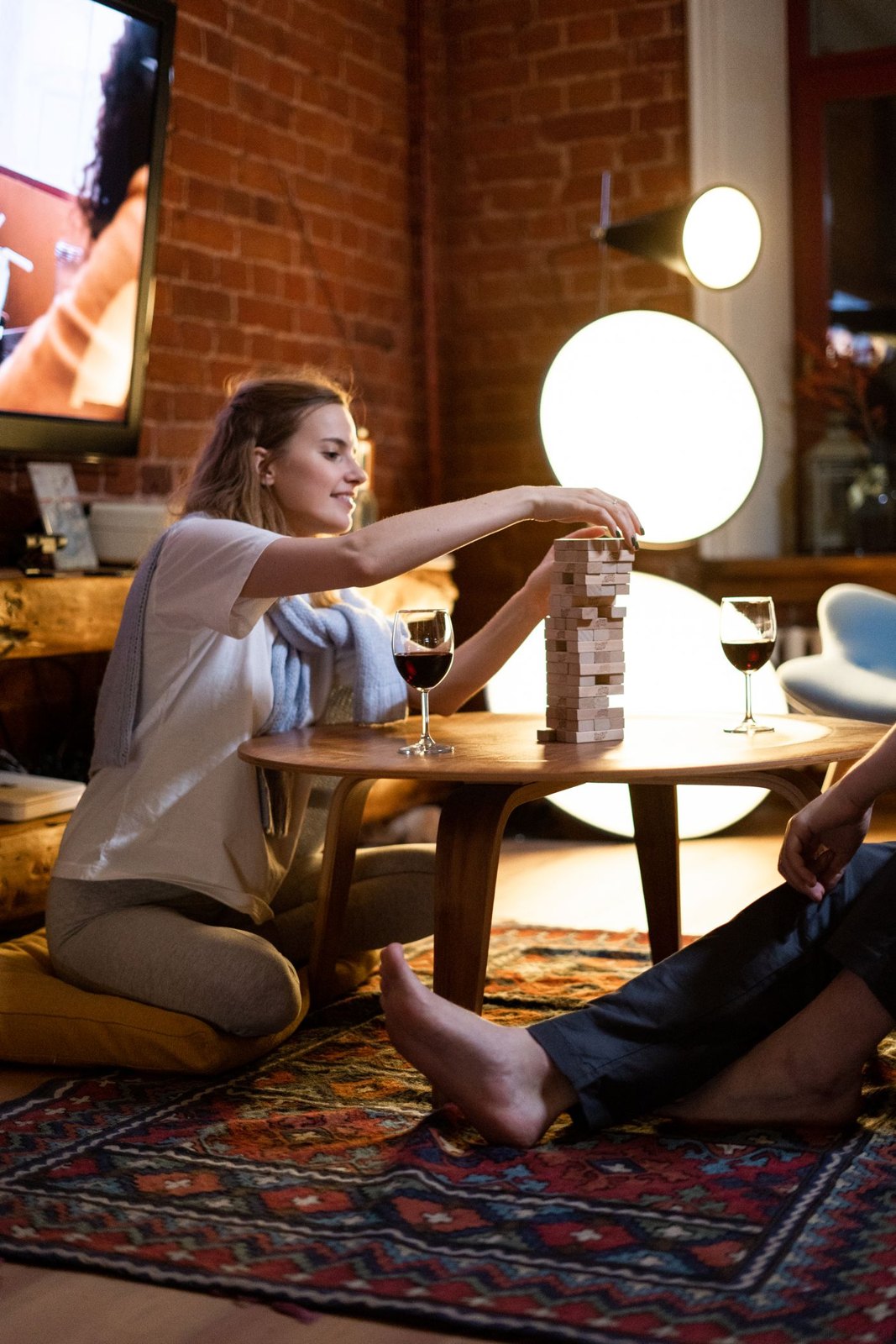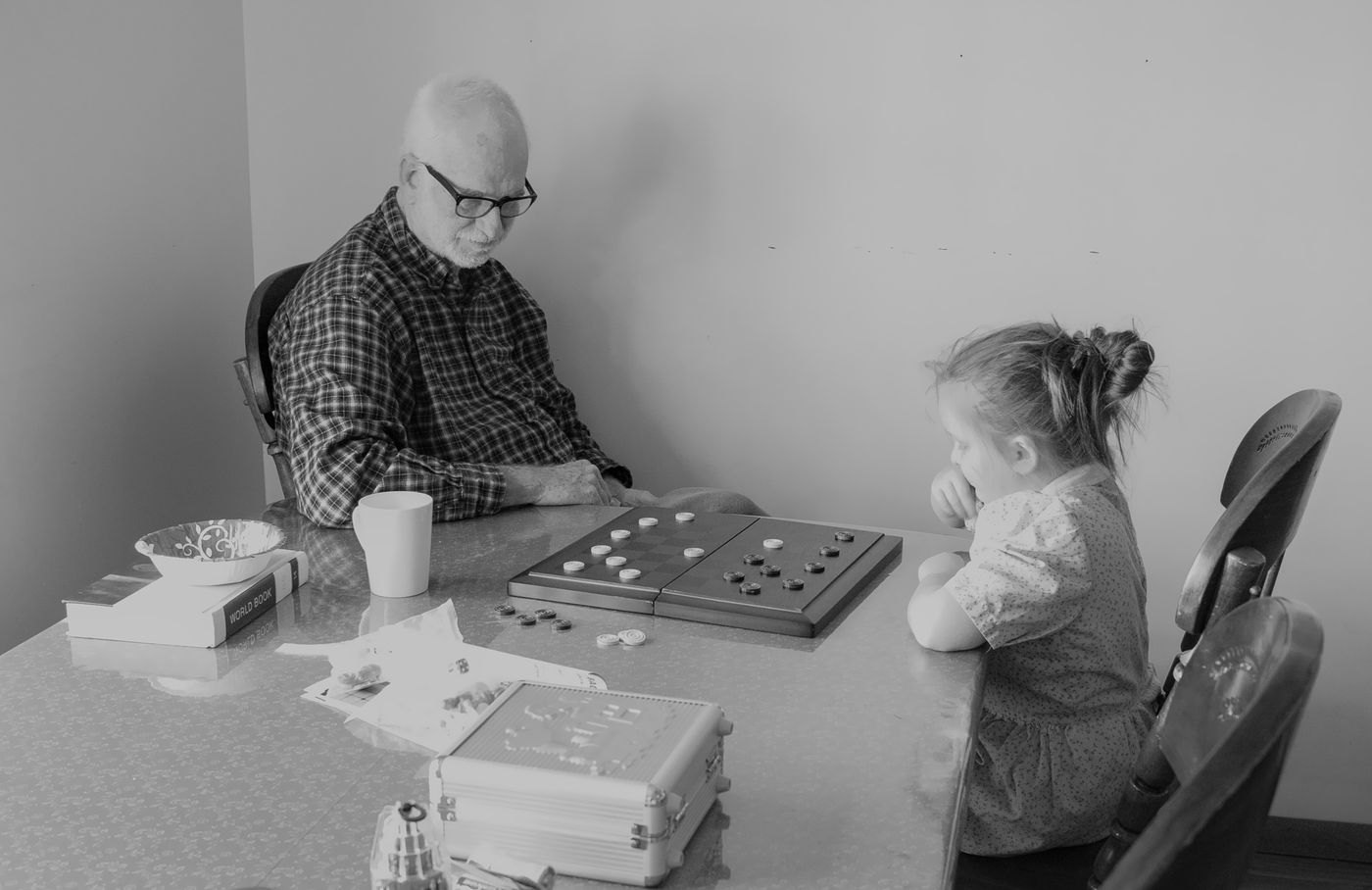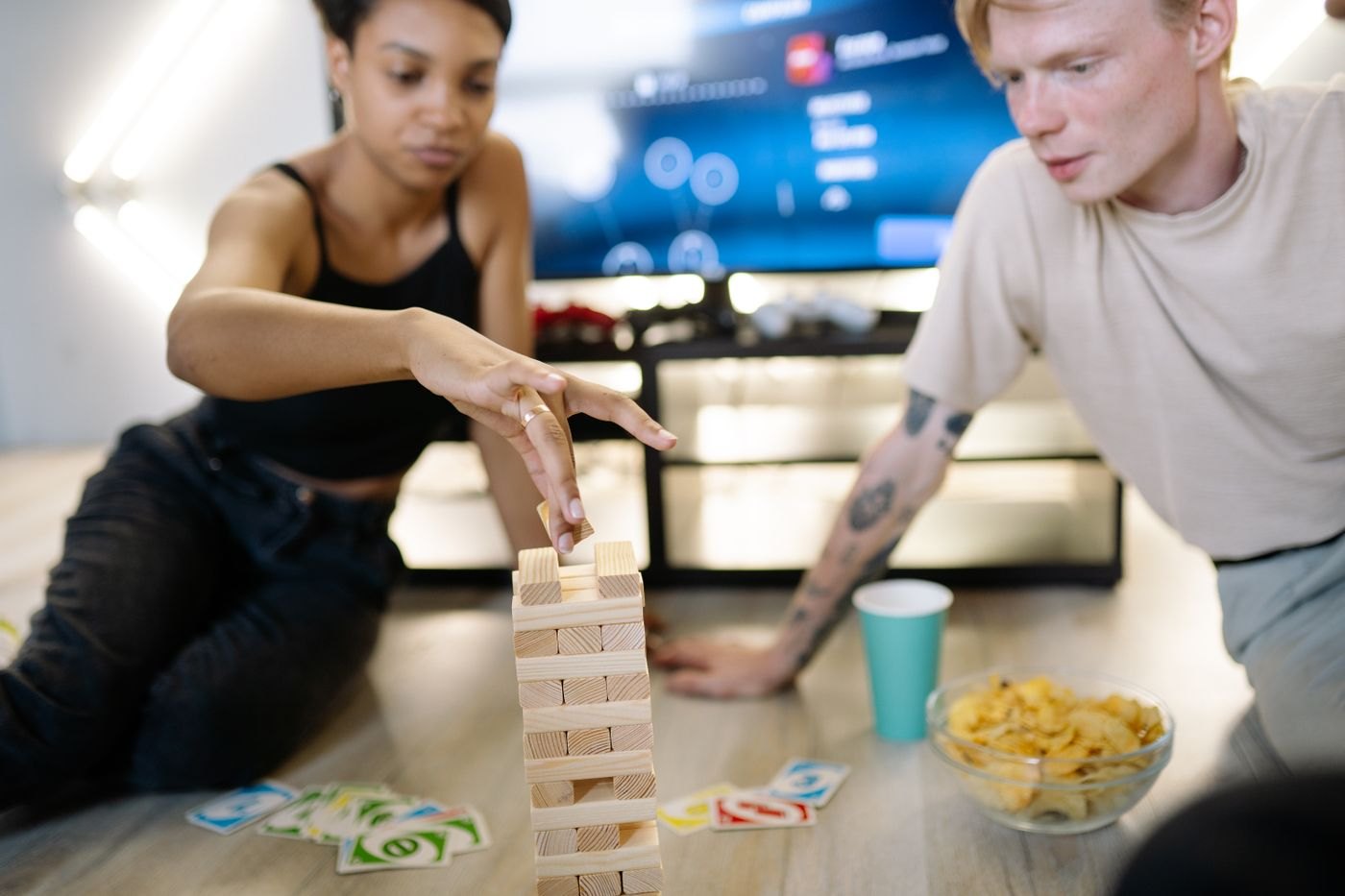
Watch a complete turn rather than a highlight
A short promotional clip may show the most dramatic moment but omit repeated setup or retrieval. Find out how pieces are held, where the action begins and what happens when something falls. Check whether players need both hands, a particular angle or enough space to move around the table.
Consider the equipment and surface as well. A sliding or flicking game may depend on a stable level area. Small pieces may travel beyond the board. Leave a sensible clear space around play and follow the game’s own setup guidance rather than assuming any tabletop will produce the same result.
Ask players what arrangement works
Do not predict someone’s preferences or abilities from their age or appearance. Show the task and ask whether they want to try it. A player may enjoy a precise challenge but prefer a different seat, while another may simply dislike this kind of activity.
If a practice attempt is possible, use it before starting the scored game. This lets people understand the movement without an immediate result attached. It also reveals whether the table height, lighting or component arrangement needs changing.
Keep adaptations clear to everyone
Some groups can adjust the seating or layout without changing the game. Other changes alter the difficulty or permitted action. Discuss those differences openly and follow any published options where available. Do not tell a player that a substantial rule change is the standard rule merely to avoid a conversation.
If the game cannot comfortably support the arrangement somebody needs, select another activity. A different choice can still include lively interaction and quick decisions. Participation should not depend on repeatedly attempting a physical task that the player does not want to perform.
Plan the reset as part of the session
Check who will gather pieces and whether retrieving them requires awkward movement. Keep components away from walkways and small children where they could create a hazard. A shared reset routine can help, but ask before taking over a player’s personal area or assuming they need assistance.